
Categories
Blogs Content Marketing

7 Content Hacks for a Successful B2B Marketing

As we enter 2025, effective content marketing remains the foundation for B2B success. However, things are changing; AI is here to aid us and be a partner in our marketing strategies. The B2B marketing team needs to move with this change and get ahead of others. But what AI lacks is the human touch; hence, teams. It is the best tool for B2B success as it brings awareness about your products, and gives trust, leads generation, and traffic generation. 

We shall discuss seven hacks to improve your content marketing strategy.

7 Important Content Marketing Hacks for B2B Success

1. Craft a Well-Organized Content Calendar

The right planning tool for a B2B marketing team is a content calendar. As a strategic road map, it enables planning and scheduling content ahead of time. Organizing your topics, deadlines, and distribution channels helps align your message with the key events or product launches tied to the seasonal trend.

 This proactive approach streamlines the content creation and makes collaboration easier for team members. A content calendar offers a visual of weeks or even months for your content strategy, helping you catch gaps and messaging overlaps more easily.

 It allows consistent posting frequencies – contributing to trust, engagement, and audience-building from your followers’ side. Last but not least, effective content calendars make your team’s work possible by delivering good, engaging, and meaningful content to the audience.

2. Understand and Classify Your Audience Segments

The core of successful content marketing is understanding the audience for content. Audience segmentation splits your broader audience into smaller, more defined subgroups based on specific characteristics, such as demographics, interests, or behaviors. This approach enables you to create the right kinds of content to meet each subgroup’s special needs and preferences.

 A technology company might have different content for IT managers than for other end-users. Using data analytics tools and customer feedback, you can create detailed buyer personas that guide your content creation process. This way, your messages are relevant and engaging, increasing the likelihood of conversion.

 In addition, segmented campaigns often have higher engagement rates because they speak directly to the audience’s pain points and interests. Knowing your audience deeply in a competitive B2B landscape can be the difference between you and competitors who take a more general approach.

3. Produce Content That Remains Relevant Over Time

Evergreen content is a rich element of any B2B content marketing. Unlike news content or article-driven pieces, which quickly lose relevance over time, it remains useful far into the future. 

The basis of such writing usually concerns central industry subjects for which people could use guidance that would last forever and a day. Such content saves time in the long term and guarantees consistent website traffic by attracting visitors over months or years. 

To search engine-optimize by using relevant keywords. Update the content periodically to keep it fresh and aligned with your niche’s current trends or developments. Investing in evergreen content builds a robust library of resources that can establish your authority in the field and nurture leads over time.
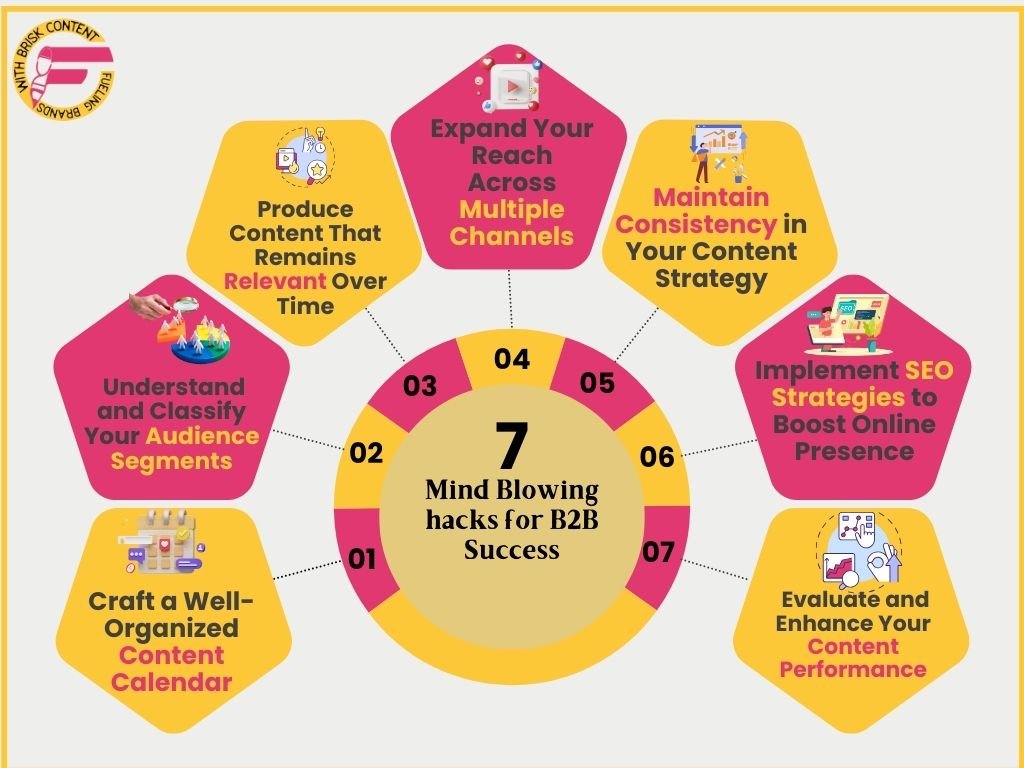
4. Expand Your Reach Across Multiple Channels

In today’s digital world, depending on a single platform for distribution can limit your reach and engagement potential. Expanding your reach across multiple channels is key to capturing a wider audience and maximizing the impact of your content marketing efforts.

Consider using blogs, videos, infographics, podcasts, and social media posts to effectively engage with different segments of your audience. Each platform has its own strength; for instance, video content may be best suited for social media, but in-depth articles are better for LinkedIn or industry blogs. This will increase the chances of engagement and sharing, depending on the platform’s specific style and audience preferences.

Furthermore, diversifying your reach allows you to experiment with different types of content and discover what resonates best with your audience. Ultimately, this multi-channel approach broadens your visibility and fosters deeper connections with potential clients.

 5. Maintain Consistency in Your Content Strategy

Consistency is also a key to successful content marketing. Top-tier content published from time to time helps you achieve the audience’s trust and thereby positions your business as an expert in that sector. Whether it’s weekly blog updates or monthly webinars, maintaining such a schedule builds anticipation among viewers and provides them with fresh information regularly.

Maintaining consistency helps you stay at the forefront of consumers’ minds and boosts your website’s search engine results because search engines prefer sites that consistently add new content.

Maintaining a consistent voice and style for all channels helps strengthen brand identification and facilitates audience recognition and connection. Establishing rules for frequency, tone, and style that all team members can follow can help you achieve this level of consistency.

6. Implement SEO Strategies to Boost Online Presence

SEO is important for increasing the visibility of your B2B content online. By optimizing your content with relevant keywords and phrases your potential customers search for, you increase the likelihood of appearing higher in search engine results pages (SERPs). Begin by researching keywords to identify terms that align with your business goals and customer queries. Incorporate these keywords naturally into all content elements, including titles, headings, meta descriptions, and throughout the body text to improve its relevance to search engines without sacrificing user readability. 

Technical aspects of SEO – including site speed and mobile-friendliness – can improve the user experience while making a ripple effect on rankings. Moreover, blogging older posts with new information or even different keywords can be relevant. If SEO is part of your content strategy, you can drive more organic traffic and position yourself as an authority within your niche.

7. Evaluate and Enhance Your Content Performance

Continuously evaluating and optimizing your content marketing efforts is the last hack to B2B success in 2025. Analytics tools let you track KPIs such as website traffic, engagement, conversions, and social shares. It helps you see which types of content resonate best with your audience and which need adjustment or improvement.

For instance, if certain topics generate higher engagement than others, consider creating more related content or exploring those themes further. Additionally, pay attention to user feedback through comments or surveys; this qualitative data can provide valuable insights into what audiences find most valuable or engaging about your offerings.

Optimization should be an ongoing process. Using analytics, you’ll experiment with distribution formats or channels to improve results. By committing to analysis and optimization, you ensure your B2B marketing strategy remains agile and responsive to changing market dynamics.

Conclusion

These seven hacks help you build a strong foundation for B2B content marketing in 2025. Tie strategies to business goals, understand audience pain points, and create evergreen content for lasting value. Diversify channels while staying consistent to boost reach and brand identity.

Regularly review metrics to refine what works, keeping you ahead in the digital landscape through planning, insights, longevity, and optimization.

If you’re ready to supercharge your B2B content with proven hacks that drive leads and growth, Content Fayah can help. Our experts deliver data-driven strategies tailored for success. Get started today for scalable results.

What is a content calendar in B2B marketing?

A content calendar is a planning tool that schedules topics, deadlines, and channels ahead of time. It aligns content with business goals, ensures consistency, and spots gaps for better engagement.

Why is evergreen content important for B2B?

Evergreen content stays relevant long-term, driving ongoing traffic and leads. Optimize it with SEO keywords and update periodically to maintain authority and value.

How do I measure B2B content performance?

Track KPIs like traffic, engagement, conversions, and shares using analytics tools. Use insights to optimize high-performers and refine underperformers for better ROI.

Categories
Blogs Content Marketing

The Ultimate Guide to Content Marketing in 2025

Content marketing can be a game-changer for a brand because it aims to stand uniquely in a competitive landscape. Its ability to attract, engage, and grow audiences at a fraction of the cost of traditional advertising has also made it an important tool for businesses seeking sustainable growth.

Addressing clients’ pain points and demonstrating how your solutions meet their demands or overcome obstacles can build trust and long-lasting connections.

Crafting content for your audience that conveys your brand’s expertise and purpose is one of the most effective forms of marketing; you gain the trust and loyalty of your customers while they gain helpful information.

Why are these forms of marketing so impactful? Why has it become so crucial to digital marketing? How does its information and engaging content have such a powerful effect on customer decision-making?

This blog will provide a detailed study of content marketing, including all the knowledge you need to create successful campaigns.

Crating ng is 

What is content marketing?

Content marketing involves creating and distributing beneficial, timely, and consistent material to attract and retain a specific audience. The objective is to promote successful client behavior by offering insights, solutions, and engaging experiences. Examples of content marketing include eBooks, infographics, podcasts, videos, and blogs.

Types of content marketing

A strong content strategy is key to keeping your audience engaged at every stage of their journey. 

Digital experiences: These are highly customized content experiences that are suited to a customer’s interests and purchase  and cover several touchpoints, including webinars and content hubs

Virtual conference: Virtual conferences allow prospective clients from around the globe to participate in events like press conferences and product launches. They also offer a great chance to communicate with your audience directly through tools like live chat, polling choices, and Q&As.

Webinars allow you to address a large audience at once and answer any questions they may have. Examples of these virtual events are workshops to resolve specific issues, panel discussions bringing together subject matter experts to debate the current problems, and even educational courses that grant certificates to participants.

Webinars are beneficial because they are still valuable as an on-demand resource after the live event.

Content Hubs: They are organized collections of content that revolve around a specific topic, designed to provide comprehensive information, insights, or resources. They consist of assets such as blogs, videos, webinars, and infographics, all laid out quickly for your audience to navigate.

Video content: is self-explanatory and can be in a wide range of formats. It includes everything from detailed FAQs to five-second social media animations. Video allows you to get creative with your content marketing.

Blogs are great for delving deeper into topics relevant to your products or services and demonstrating your expertise to your audience. Blogs can boost your visibility and authority by using the optimal keywords and providing valuable information to your customers.

Infographics are ideal for simplifying complex data, statistics, and numbers into a visually appealing and readily comprehensible format. A well-designed infographic can efficiently and properly convey information on channels like social media, where space may be limited, and images are more powerful than words.

Why is content marketing important for B2B?

Content marketing makes your B2B website a very effective conversion tool by enhancing lead quality, improving organic search visibility, educating the customer, overcoming objections, and strengthening brand loyalty. This is why content marketing for B2B matters:

Increasing Recognition of the Brand

Engaging and educational content helps establish awareness and trust by showcasing your expertise and communicating the value of your business. Customers are more likely to select well-known and trustworthy brands. Good content builds stronger relationships with your audience by showcasing your goods and services and embodying your brand’s principles.

Creating Thought Leadership

B2B content marketing establishes your company as an industry leader. If you provide thought leadership content, such as smart articles or expert interviews, your audience will perceive you as a reliable source. This credibility advances potential clients along the buyer’s journey and fosters confidence.

Producing Useful Leads

Beyond narrating your story, B2B content marketing addresses customer demands to generate attention and leads. You strongly argue for involvement by illustrating how your products address issues. Blog entries with product links are optimized content that helps readers explore your website and get closer to converting.

Lead Nurturing

Every customer’s journey is different, and tailored interaction is crucial. Content is essential to encourage these connections and attract readers—even regular visitors—to explore further. As clients go through the sales cycle and content marketing funnel, various forms, including blogs, videos, and infographics, may maintain interest and keep them involved.

Closing Sales

Content takes center stage when it comes to converting leads. Clear, appealing information about your products, such as essential features or client testimonials, can build trust and influence decision-making. A simple yet powerful material, like case studies, may convert interest into commitment by persuading potential customers to arrange a call, schedule a demo, or make a purchase.

How does content marketing drive sales?

Content marketing produces appropriate content that meets your target audience’s interests and requirements.

Educating customers about the advantages of your goods or services is one of the primary ways that content marketing increases sales. You may demonstrate how your products can address their wants or solve their problems by giving them useful information. This promotes trust and positions your brand as a reliable information source.

Leads are nurtured through the sales funnel with carefully considered marketing material. You may influence potential buyers to purchase by producing various kinds of content that address every phase of the buyer’s journey, from awareness to consideration to conclusion.

Content marketing includes blog posts, case studies, white papers, videos, and much more. It is very important in driving sales and marketing efforts by providing valuable information, building trust and credibility, guiding leads through the sales funnel, and ultimately converting prospects into loyal customers.

Producing brilliant, relevant content that appeals to your target audience can elevate your company to the top of your sector and drive business sales.

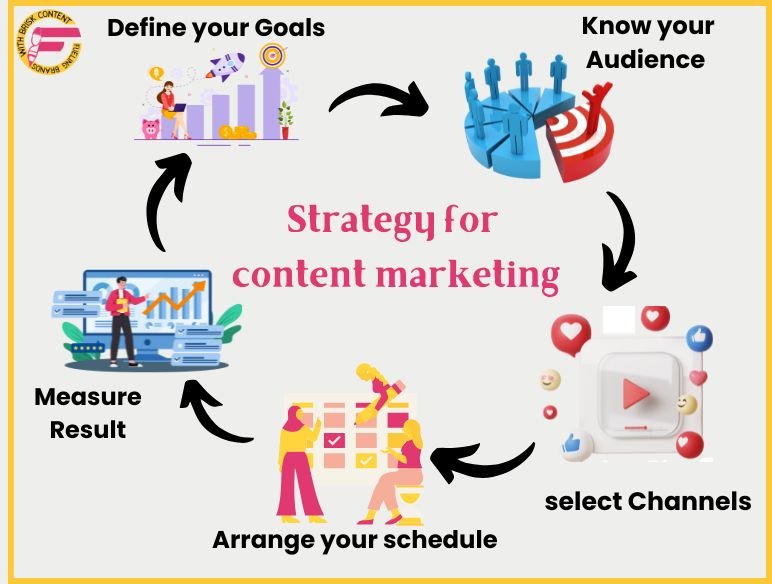
How to develop strategies for content marketing

A solid plan is the first step toward effective content marketing. Take these actions:

  • Define your goals: Decide what you want to accomplish, such as generating more leads, retaining customers, or increasing traffic.
  • Know Your Audience: Recognize their habits, preferences, and areas of discomfort.
  • Select Channels: Pay attention to the platforms your target audience uses most frequently.
  • Arrange Your Schedule: It is crucial to maintain consistency. Make a content calendar to guarantee regular releases.
  • Measure Results: Utilize analytics to monitor results and modify your approach.

Top Content Formats to Focus on in 2025

Short-Form Videos

Short videos grab attention quickly and perform well on platforms like TikTok, Instagram Reels, and YouTube Shorts. Use them to showcase products, share tips, or tell engaging stories.

Podcasts and Audio Content

Podcasts give companies a quick and intimate way to communicate with their audiences. Create episodes that share industry trends, expert interviews, or success stories.

User-Generated Content

Motivate clients to produce and share content that highlights your company. Highlight testimonials, reviews, and social media posts to build validity and trust.

Niche Blogs and Articles

Focus on specific industries, challenges, or solutions. Niche content helps establish authority and attracts highly targeted leads who are more likely to convert.

Conclusion

Marketing trends are always changing, but the basic goal always remains to provide value to your audience. Maintaining a solid plan while embracing new trends, such as user-generated content and short-form films, must be relevant in 2025. Create solutions, cultivate relationships, and always keep your audience in mind. Successful companies will know who their customers are and will always provide outstanding content.

If you are looking to take your brand to the next level in 2025, then do connect with us.