Categories
Blogs

How To Write Top Seo Product Descriptions

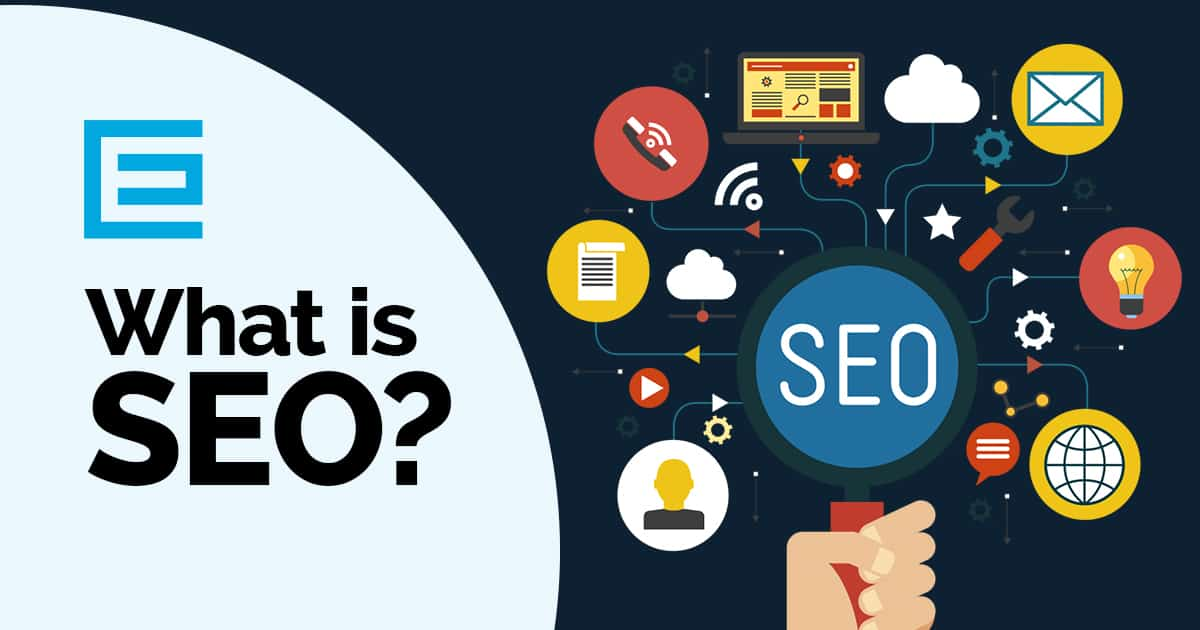
SEO is more than just ranking high or at the top of Google. SEO content is something that attracts your future customers and present clients. It helps your target audience find websites, blog posts, and marketing material. 

SEO product descriptions play a crucial role in marketing. Can’t sell your products in this competitive market? SEO product descriptions will help you stand out from the crowd.

Just telling your customers about what you sell and how it will help them is boring and lacks attention. Giving a full description of your product is an opportunity to convince your audience that it’s the solution they’ve been looking for.

Let’s discuss how you can craft top SEO product descriptions that will hit the right places!

What are SEO Product descriptions?

SEO product descriptions are the content that is created to inform people about the product in detail with the right keywords. SEO descriptions turn shoppers into loyal customers. 

The use of the right keywords helps Google rank you at the top so that your content is visible to others rather than your competitors. 

Search engine optimization modifies and improves your website content, website ranking, or even an individual piece of content that maximizes its potential rank on SERPs.

SEO product descriptions are not prohibited at any length. They could be as long as 250 characters or as small as 150 characters. 

Why are SEO Product Descriptions Important?

Products are sold online, which means customers do not have personal contact with the product. Therefore, descriptions need to be strong enough for customers to have complete trust and faith in the brand. 

These descriptions replace the customer’s in-store experience as they’re provided with detailed information about the product they need to know. 

53% of millennials are said to purchase their day-to-day needs through online shopping. Hence, SEO product descriptions are what make them have complete trust in the product. 

While writing these descriptions, keep in mind to focus on search engines such as Google so that our clients can be as visible to their audiences as possible.

How to write SEO Product Descriptions?

Now that you are aware of why SEO product descriptions are important for your marketing, you might also want to learn how they are crafted to rank as high as possible. 

Here are the steps on how to create product descriptions that will hit the right notes.

  1. Understand your target audience

Learning and writing product descriptions that sell can not be successful as long as you don’t know who you are writing for. 

Know your target audience and understand what their needs and wants are. Figure out how your products can bring a solution to their problems. Then pen it all out step by step.

Evaluate their interests, needs, demographics, and expectations. Keep in mind to create content that suits the customer’s language and their view of your brand.

  1. Use the right keywords.

SEO is all about ranking high and standing out from the crowd. Using the right keywords that will make Google choose you among other websites is very crucial. 

Your audience will not write complete sentences in order to find your product; they will just type in the keywords related to your product and tap on one of the high-ranked descriptions. 

Using the right keywords as much as possible will help you rank highly in search engine traffic. This helps your costumes prove how relevant and trustworthy your product is.

  1. Using Bullet Points: Staying Clear and Concise

Bullet points are an excellent way to provide information about something in a short and precise manner. Bullet points attract people and keep them on your page. 

It has been reported that 16% of people do not read complete paragraphs and prefer reading short points rather than full sentences. Users and Google both like bullet points, so don’t back out and use this opportunity to describe the features and benefits of your product.

Therefore, providing important information in a concise manner is the key way to get more views. 

  1. Find and adopt the right tone of voice

The tone of voice refers to the personality of the brand that speaks behind the screen. Different brands need different tones of voice when writing any type of content for SEO. 

Different brands need different tones. For example, Firebox used humor to promote their product, “Avocado Gloves,” by promoting it as: “Feeling cold on the go and don’t avo’ pair of gloves to keep you warm? You need this.” 

Using the right tone of voice for the product helps SEO writing assistants score on readability, originality, and SEO.  

  1. Using powerful and captivating words

Words have a strong impact on your audience when selling a product. Using strong words such as “cozy”, “modern”, or “chill” to describe a sweater’s quality explains a lot about the product and makes customers feel they’re choosing the right one. 

Captivating your audience’s interest and choices is what makes you different from your competition. Using such impactful words can easily captivate their attention. 

For example: a fast food seller uses words such as “delicious” and “freshly out of the oven” to describe the food’s quality and taste. There are words that relate directly to the senses of humans: taste, smell, touch, sight, and sound. These words have a huge impact on the consumer’s reading, as they, out of reflex, imagine how your product can help and benefit them.

Wind up

Effective e-commerce product descriptions can have a significant impact on your website’s ranking in search engine results pages (SERPs) and your conversion rate. By investing time and effort into creating high-quality, informative product descriptions, you can improve your website’s relevance and authority, which can lead to increased visibility, traffic, and revenue. 

Additionally, effective product descriptions can help users better understand your products and make informed purchasing decisions, which can lead to an increase in conversions and revenue. 

If you feel that you lack the expertise to perform effective E-commerce SEO, you may want to consider seeking professional assistance to develop a customized strategy that suits your business requirements.

If you are interested in having unique and SEO-friendly product descriptions written for your business, you may want to explore Content Fayah’s product description writing service.

Categories
Blogs

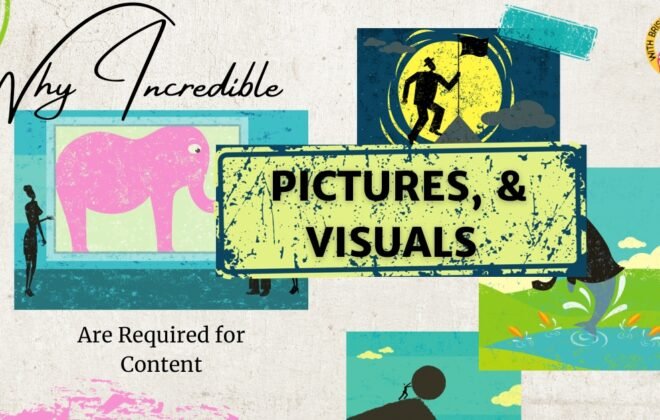
Why Incredible Pictures, & Visuals Are Required for Content

“A picture speaks a thousand words,” they say. It’s amazing how content marketing validates this adage. A business’s marketing works 80% of the time because someone uses visuals and images to prove his point instead of just writing paragraphs to bore people. 

Images and visuals speak louder than words and attract people easily. Influencers display themselves with products rather than just explain them in text because they know customers are drawn by what they see, not just what they read.

Therefore, welcome to content marketing, where ideas are brought to life and words interact with wonder. Let us dive deep into this topic and discuss why visuals, images, and videos are important in content marketing.

  1. Memorable visuals build connections

According to scientific research, it has been proven that visuals are remembered 60 times faster than text. Installing images or visuals that line up with the brand’s message affects the brain’s natural capability to remember images better than text. This increases the audience’s chances of withholding the information conveyed to them.  

Furthermore, it provides an extra layer of comprehension and engagement that catches attention and leaves a strong impression on memory. 

  1.  Visuals increase organic visibility

Using visuals and images not only attracts eyes but also increases engagement and visibility. Using visuals in SEO content will automatically increase its visibility and reach compared to plain text.

Hubspot’s research on social media shows that a post containing an image received 2.3 times more comments than a post with plain text.

Visuals also increase SEO by including keywords as alt text to images and Google’s SERPs.

  1.  People prefer images

The fast-paced generation that we live in requires attention to anything and everything; visuals catch them and keep them hooked on themselves. When people receive a newspaper with an accompanying article template, they tend to be drawn to the vibrant images and design of the template, often overlooking the traditional black-and-white newspaper itself. This is how much an image holds power.

This technique of using visuals stays memorable even after a while, which helps companies build connections with people.

  1.  Expresses emotion 

Emotion is a powerful universal feeling felt by everyone, whether an infant, a grown adult, or an older person. Emotions are expressed by each of them. Visuals have the power to understand and convey people’s emotions better than texts. 

You can evoke sympathy, laughter, or even a few tears with the help of a potent visual narrative.

When a perfect picture with perfect colours, textures, lighting, and background is used in a photograph, people feel connected and recognized. 

  1.  Boosts shareability and engagement

Visuals are the best tools to increase a piece of content’s engagement and reach. Images are more likely to be shared than plain text. A website’s reach will automatically increase when it contains even a slight video, an inspirational image, or an informational gif.

It also benefits you when your visual content overpowers your competitors’ no-image, plain-text content.
The audience is always hungry for attractive content with images, and fulfilling these wishes will only affect your reach and engagement.

  1.  It reaches beyond social media

When it comes to social media, visuals used for marketing make a big impact. Instagram, Twitter, and many more channels are used for either entertainment or news. Content that attracts people to their “for you” page will be clicked by them, and your engagement will increase. 

Hence, social media might be the best place to interact and learn about your audience by using attractive images and posts. Plus, content can also be reshaped into something new, i.e., a blog post into an Instagram post, emails, podcasts, and much more.

  1.  Raises retention

When you have an ample amount of content to distribute, do it with visuals rather than just plain text. Informative images help increase retention and attract more leads. A single YouTube short gains more than 30 billion views per day; hence, there’s no lack of content in this generation. What is lacking are the ideas and processes of how to distribute content smartly and wisely.

Make use of colourful and eye-catching images or videos because people will definitely see what they’re forced to show, even an ad they want to skip, but professionally written content won’t be noticed even after making people forcefully read it.

Wrap up

People’s ability to comprehend, retain, and even interact with information is influenced by visuals. The visuals have an impact on how the content is perceived by viewers and how it performs in organic search.

Use this to your advantage and equip yourself with a camera, a sharp eye, and a dash of creativity, and watch as your content soars to new heights of success thanks to your images! Enhance your messaging with images and other visuals to help readers (and search engines) understand your content more quickly and effectively. Contact Content Fayah today to create and customize visuals just to your liking and professionalism! 

Categories
Blogs

Your Brand Is A Fictional Character. So Make It A Good One.

Thinking of your brand as a fictional character sparks creativity. You can brainstorm innovative ways to bring your character’s persona to life, from events to collaborations to marketing campaigns. You can express your values, interests, and aspirations through it. The motto should be to ensure that the brand message is authentic and resonates with your intended audience. Balancing creativity with relatability will help you create a compelling and engaging personal brand.

Here is a step-by-step guide to help you establish your brand as a good fictional character:

(P.S. The term character in this article is a synonym for your brand.)

  • Character Development
    • Narrative and Storytelling: A fictional character comes with a backstory, experiences, and anecdotes.
    • You can use these elements to craft compelling narratives and stories that engage your audience on a deeper level. 
    • This storytelling approach helps create emotional connections and memorable experiences.
    • Define its personality traits, values, beliefs, passions, and behavior. 
    • Is your character friendly, serious, quirky, adventurous, or a combination?
  • Define Your Brand Identity
    • Create a unique name for your character. 
    • Choose a tagline that captures the essence of your character’s mission. 
    • Determine the visual aspects of your character, including appearance, clothing style, and any distinctive features.
  • Mission and Values
    • Clarify your character’s mission.
    • Define the values and principles that guide your character’s actions and interactions.
  • Target Audience
    • Audience alignment is the key to success. 
    • By attributing human-like traits to your brand, you can better empathize with your target audience’s needs, desires, and pain points. 
    • This understanding allows you to tailor your offerings and messaging to resonate more effectively with your audience.
    • Keep your target audience in mind while considering your character’s personality. What traits, messages, persona, and values would resonate most with them?
  • Content Strategy
    • Decide on the type of content your character will create, such as blog posts, design visuals, social media updates, videos, podcasts, etc. Thereby, making your content more authentic and engaging.
    • Align the content with your character’s mission and values. What topics will they discuss? What insights will they share?
  • Topics: Select topics that align with your brand’s interests, expertise, and values. If your character is passionate about nature, focus on environmental issues or outdoor activities.
  • Tone and Voice: Maintain a consistent tone in your content that matches your brand’s personality. If your brand/ character is witty, infuse humor into your writing.
  • Storytelling: Share anecdotes and stories from your brand’s/ character’s fictional life that illustrate their personality traits and values.
  • Visual Branding:
    • Create or commission visual representations of your character, including illustrations or images that depict their appearance and style. 
    • Choose a color palette, fonts, and design elements that reflect your brand’s personality.
      • Appearance: Choose visuals, colors, and design elements that reflect your character’s style and personality. For example, if your personal brand/ fictional character is adventurous, use vibrant and dynamic colors.
      • Logo and Icons: Design a logo or icons that resonate with your character’s persona. It could incorporate elements related to their backstory or traits.
  • Online Presence:
    • Develop a website or blog where your character can share their content and engage with their audience.
    • Craft social media profiles that mirror your character’s traits and values are relevant to your target audience. Use their persona to write engaging bios and descriptions.
    • Profile Pictures and Covers: Use images that showcase your brand’s appearance and style.
  • Consistent Voice:
    • Define the tone and voice your character will use in their content and interactions. Will they be friendly, inspirational, informative, or a combination?
    • Ensure that every aspect of your brand consistently reflects your character’s personality. From colors to language to behavior, everything should be in harmony.
    • Create brand guidelines that outline how your character’s personality should be represented in various situations.
    • When you think of your brand as a character, you naturally aim for consistency across all aspects. 
    • From visuals to content to interactions, you strive to maintain the character’s personality, ensuring a unified brand experience for your audience.
  • Engagement and Interaction:
    • Engage with your audience through comments, messages, and responses that align with your character’s persona.
    • Encourage interaction by asking questions, running contests, conducting giveaways, or hosting virtual events.
    • When sharing content, add your character’s personal touch. This could be their perspective, recommendations, or experiences.
  • Collaborations and Partnerships:
    • Collaborate with other creators, brands, or characters that align with your character’s values and message.
    • Storytelling: Share stories from your character’s fictional life that relate to real-world situations, challenges, and successes.
    • Evolve: Keep your character’s brand fresh by introducing new content, responding to audience feedback, and adapting to trends.
  • Adaptability:
    • While consistency is important, allow your character to adapt to different contexts while still staying true to their core personality. 
    • Just as real people adapt to different situations, your character-driven brand can do the same. 
    • Your character’s personality can be versatile to fit various contexts while maintaining its core traits, allowing you to reach diverse audiences.
  • Feedback and Iteration:
    • Pay attention to audience feedback to gauge how well your character’s personality is being received.
    • Be open to making adjustments and improvements based on the feedback you receive.

By considering the personality of every part of your brand, you create a cohesive and immersive experience for your audience. This approach ensures that your character’s persona comes to life in a way that resonates deeply with your target audience while maintaining authenticity and consistency.

How can visualizing your brand as a fictional character help

Visualizing your brand as a fictional character can provide several benefits in understanding and defining what you offer to your marketplace:

  • Clarity and Focus: Creating a distinct fictional character with a well-defined personality helps crystallize your brand’s identity. This clarity makes it easier to understand your brand’s values, message, and unique qualities that set you apart in the marketplace.
  • Unique Differentiation: Just like people have distinct personalities, your character-driven brand stands out as unique in a crowded marketplace. It allows you to highlight your character’s quirks, values, and perspectives. Thus, making your brand more memorable and relatable.
  • Understanding Offerings: When you customize your brand, it becomes easier to map your offerings to your character’s values and strengths. You can evaluate whether your products or services align with your character’s persona. Ensuring that you are offering what your character would genuinely endorse.
  • Market Research: Viewing your brand as a character can lead to deeper market research. You can analyze how your character’s personality resonates with your target audience, gathering insights that guide your branding strategies.

Visualizing your brand as a fictional character serves as a powerful tool for developing a deeper understanding of your brand’s identity, offerings, and connection to your marketplace. It enables you to create a more resonant, cohesive, and impactful brand that leaves a lasting impression on your audience. Connect with Content Fayah to make your brand a super one.

Categories
Blogs

Best 5 SEO Content Writing Software

SEO is rocket fuel for your marketing needs. It is imperative for any marketing operation team to use search engine optimization to attract traffic. Research from HubSpot reveals that 60% of leading marketers believe that SEO and blog content is their highest quality source for leads.  

Content marketing can become a chaotic frenzy with the market changing daily trends and the need to produce relative and engaging information for your audience. Here is where SEO software comes in handy. 

How does SEO software work?

SEO Software is like a special tool that guides you on what to do to make your website more attractive to search engines. This way, if a person searches for something that is related to your website, the search engine is highly likely to show your website in the top results. 

SEO is an undeniable benefit for content creators. SEO Content-writing software can significantly assist writers by providing various tools and features that enhance the quality and visibility of your content. 

For the most part, SEO software helps you measure the following two aspects –

  • It helps you measure how well your website is optimized for search engines, based on a number of ranking systems.
  • It helps you figure out how well your site picks the right keywords and key phrases.  

Top 5 SEO Content Writing software

Now, let’s delve deeper and weigh the actual options you can choose from to be your personalized SEO writing assistant.

SurferSEO

SurferSEO is a cutting-edge optimization tool that empowers content creators with data-driven insights. The tool streamlines the process with valuable recommendations for keyword placement, content structure, and ensuring that the content aligns with the latest algorithms. In a few clicks, surferSEO provides you with an SEO-optimized brief for your article.  

Frase

Frase is an all-rounder AI-powered tool that can help you throughout your content creation journey efficiently. It provides a quick and easy way to highly optimized content with keywords to target, heading distribution, and much more. 

Pros

  • Concise and user-friendly
  • Efficient in streamlining content planning and creation
  • Possess efficient analytics that can turn Google search console data into actionable insights 

Cons

  • The lowest rate plan supports only one user
  • Does not provide free trials

PageOptimizer Pro

PageOptimizer Pro also known as POP is the master tool for your web content. POP provides you with an in-depth knowledge of your competitor’s keyword strategies and helps you outrank them. Along with optimization suggestions, it generates a report card with scores for your posts and shows how likely they are to rank in SERPs

Semrush

Semrush SEO Writing Assistant is one of the most powerful writing assistants in the market. It is an excellent guide in several areas such as the readability of your content, SEO, and tone of voice. It is integrated with MS Word 365, Docs, and WordPress so you can use it wherever you like at your convenience. Semrush is often regarded as the best and most complete SEO and content marketing tool. Semrush gives you access to backlink analysis, blogger outreach tools, PPC research, and more.

SEO PowerSuite

SEO PowerSuite is an all-in-one answer to all your SEO questions. The built-in website auditor tool is of significant use to content writers. You can use their rank tracker to build a content strategy with keyword research. You will also benefit from the SEO SpyGlass tool for backlink research and competition analysis. An additional advantage lies in its free version plan, which is remarkably generous and allows for significant utility. 

Need for SEO content optimization tool

Here are several factors outlining why SEO is essential for your brand –

Increased online traffic growth

Your website is of no value unless it is crafted in a way that is easily available to the audience who search for products or services related to yours. And SEO does exactly that for you. SurferSEO is an example of content-writing software that helps you review high-ranking pages with keywords similar to yours. According to the results, you can easily create your own competitive articles.

Builds trust and credibility

High search engine rankings are often considered equal to credibility in the eyes of users. The audience is likely to think of your brand as an authoritative source if your website pops up in the top results. Think with Google shares that 39% of purchases are influenced because of a relevant search.

SEO and CTR

SEO is an indispensable strategy for brands reliant on Click-through rates (CTR). SEO has empowered brands like never before by achieving meta-description refinement, precision in keyword targeting, and enhanced search result appearance. Businesses with the help of content writing software foster more significant organic organic traffic and user engagement leading to the skyrocketing success of their business. 

Higher conversion rates

Targeted SEO efforts attract users who are already interested in what you offer. It helps your business flourish by converting your audience into customers or subscribers. Conversion rate is a significant Key Performance Indicator in commercial websites.

Valuable insights into consumer behavior

SEO content writing software provides another indispensable service to users. You can now receive valuable insights into what content engages audiences these days the most. SEO tools always keep up with the dynamic algorithm changes and help your brand stay updated likewise. Adapting to such changes helps your website maintain its visibility in top searches. 

Content discoverability

Another impactful use of SEO is its ability to provide broader exposure and lead to natural backlinks. Content that is well-optimized is highly likely to be shared by other websites, influencers, and users. In the digital landscape, where user behavior relies significantly on search engines, implementing a solid SEO strategy is paramount to establishing a strong online presence.

Summing it up

This blog is a comprehensive overview of SEO software, delving deep into its ins and outs and importance. SEO explores every strata of content creation from keyword research and on-page optimization to backlink analysis. The above-discussed softwares are just a few examples from the plethora of SEO tools that play a vital role in each content journey.