Categories
Blogs Content Marketing

Going Viral: Is It Luck or a Content Marketing Formula?

Ever wonder why some content spreads like wildfire online? I’m just kidding, but marketers need to know that, right? Is going viral just dumb luck, or is there a secret formula?

Going viral” in digital marketing seems to be the holy grail. One minute, you are posting, and the next, your content reaches millions, creates conversations, and drives remarkable traffic. Is viral success by pure luck, or is there a method to the madness? Or sometimes, just the right place, right time. Otherwise, it’s just a perfect content strategy. In this blog, we will discuss whether virality is just an accident or if it’s the result of a well-executed marketing formula and how you can make it big, too.

 Let’s dig in and find out with this blog.

The Allure of Viral Content

There is nothing quite like having online content shared with many people. It spreads fast and far, gets people talking, and puts your brand on the map overnight.

But here’s the thing: if viral success were predictable, you’d always get it right. What works once doesn’t work the next time – which makes many people tell you it’s a matter of luck.

The Role of Luck

Let’s be real. Luck does play a part in viral content. You can’t control everything. Sometimes, the stars just align. Your post hits at the perfect moment. The right influencer shares it. And boom – you’ve gone viral.

But relying on luck alone is a risky strategy. It’s not sustainable. And it’s not something you can build a business on. For example, a meme or video could get picked up because it aligns with a current event, a social issue, or viral challenge. This kind of virality feels like winning the lottery.

Luck Isn’t a Business Strategy

Going too much by luck is something quite dangerous. If you build a business or try to grow your brand, then dependence on a mythical concept of luck wouldn’t promise anything to provide you with constant results. Moments that usually lead to going viral happen when no one expects it and can’t be easily replicable. Thus, you cannot depend on the chance of your content going viral. And yet, companies and content creators need what they can control: quality and sharable content, knowledge of whom they serve, and consistency. A good content strategy will grow steadily and, in the long run, instead of betting on luck to give you that one-time boost.

It’s thrilling to play the luck card, but you can’t depend on that. The surest way to guarantee long-term success- whether or not you catch the lucky break- is by building a foundation of smart content marketing.

The Content Marketing Formula

While there’s no foolproof formula for viral success, the most effective strategies help stack the deck in your favor. These are  some of what the pros pay attention to:
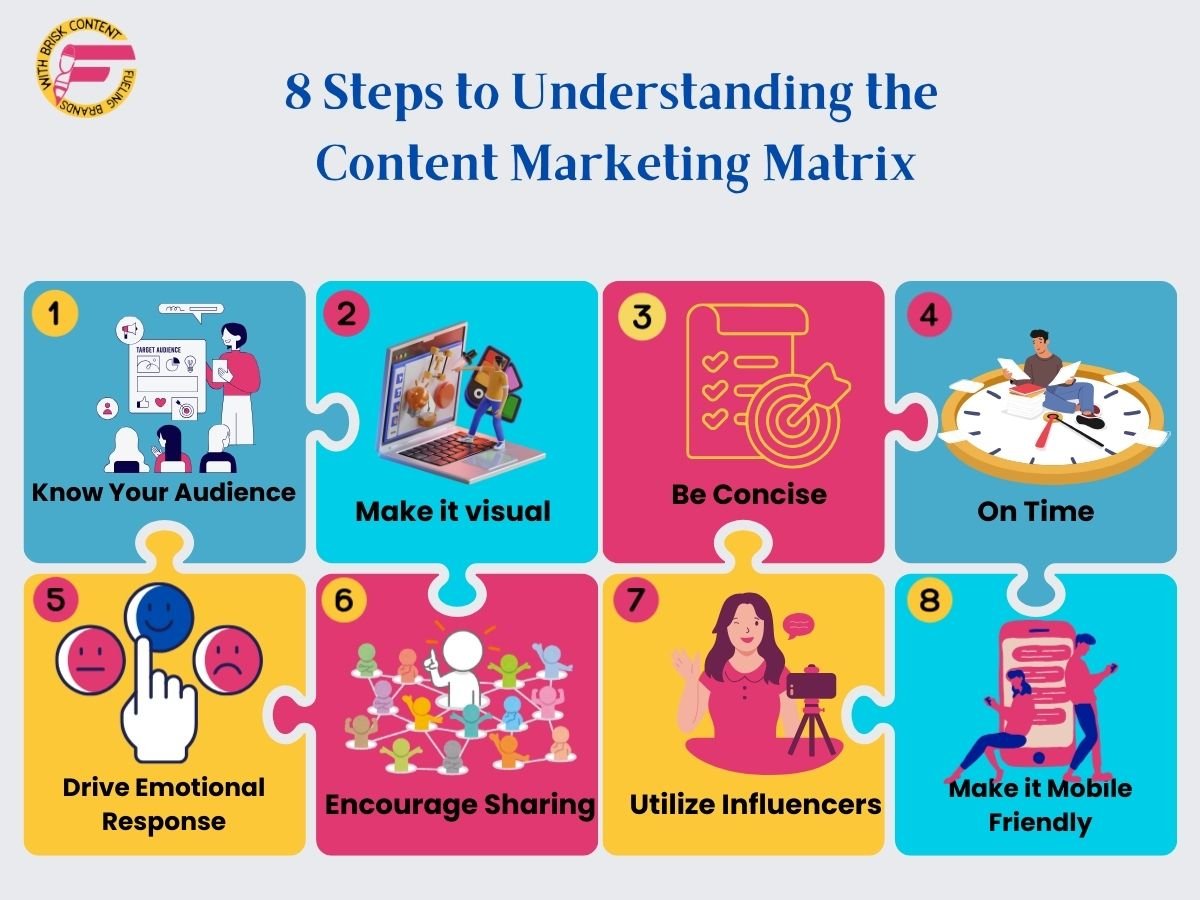
1. Know Your Audience: Who are you trying to reach? What do they care about? What makes them tick? The better you know your audience, the better you can create content that really speaks to them.

2. Be an Emotion Trigger: Generally speaking, viral content hits an emotion buried within you. It makes you either laugh or cry or even get angry. Whatever it is, it should evoke some form of reaction. Neutral stuff is hard to go viral.

3. Shorten it: Your message must be easily digested, understood, and passed on. Complex content makes it hard to go viral. If your content cannot be quickly digested and transmitted, it will not go viral.

4. Be timely: Viral content often follows current events or trends. Stay on top of what is happening in your industry and the world.

5. Make it visual: Images and videos are more likely to be shared than text. People are visual, so give them something eye-catching.

6. Encourage Sharing: Make sharing more effortless for people. Use social sharing buttons. Ask people to share if they have found value in your content.

7. Utilize Influencers: Building a relationship with influencers in your niche will catapult your content into more significant virality. Their share can kick-start the process of going viral.

8. Make it Mobile Friendly: Most social media browsing is accessed on mobile devices. Ensure that your content looks great and works great on small screens.

That’s why it is essential to create consistently good content. Don’t fully depend on viral. Build a solid content strategy that provides value to your audience over time.

The Power of Persistence

Going viral can seem like instant success, but what people don’t see is the hard work that usually leads up to it. Behind most viral hits, there are countless hours of effort, multiple failed attempts, and a lot of learning.

Creators and marketers who achieve viral success often spend months or even years creating content that goes unnoticed. They experiment with different ideas, formats, and platforms. Sometimes, content falls flat. Other times, it gains a little traction but doesn’t explode. But they don’t stop. They keep trying, adjusting their approach based on what works and what doesn’t.

Persistence is key because the more content you produce, the more chances you have of finding that viral moment. Every post or video is a new opportunity to learn what your audience responds to and how trends shift over time. It’s not just about luck or a single “perfect” post; it’s about consistently showing up and refining your strategy.

Continuing to create, experiment, and learn increases your chances of eventually hitting that viral sweet spot. Even if you don’t go viral right away, persistence helps you build a loyal audience, gain valuable insights, and improve your content. Viral success may take time, but persistence ensures that when the moment comes, you’re ready for it.

Balancing Art and Science

Going viral is not just about luck or strategy but a mix of both art and science. On the one hand, it speaks of the art of coming up with something new, interesting, and memorable content. Here, you think outside the box, come up with a great story, and develop visuals or messages that would make a big capture in people’s attention. Creativity will make the content stand out among this sea of information and what is needed in order to emotionally connect with the audience.

There’s science on the other end – the analytical approach to understanding your audience and using data to optimize your content. That takes you to cutting and sorting through metrics in terms of such things as engagement rates, audience demographics, and how your content performs and seeing where you can improve and where you cannot. All this can be outlined by analyzing data: when to post, through which platform, and with what types of content.

The Takeaway

Going viral is neither an art nor a science. Put, it involves the right balance between new, engaging content and enlightened data insights. Content creators or marketers who successfully blend both elements and science have much better chances of success with viral messaging and longer relationships with audiences.

Conclusion

So, Is it luck or a content marketing formula? Let me tell you, and it is a bit of both. Yes, you have an element of luck, but you can stack the odds in your favor. The ability to understand the target audience, quality content, and best practices all increase the prospects of viral success.

Remember, maybe your content won’t go viral, but these strategies will help you build a much stronger, more engaged audience over time. And that’s worth more than any fleeting viral moment.

Keep writing. Keep learning. And who knows? The next piece of content you create might just be the one to make that super-viral-rainbow-troll-town hailed newsbreak.v

Categories
Content Marketing

The Ultimate Checklist for Hiring a Content Marketing Agency

“Without goals and plans to reach them, you are like a ship that has set sail with no destination.” — Fitzhugh Dodson.

To hire a content marketing agency that genuinely elevates your brand, you must first look inward and define what you need.  It’s not about who has the bold portfolio or the most prominent name—it’s about you and your goals. 

Let’s explore with this blog how setting clear, actionable goals is the foundation for choosing the perfect agency to transform your content strategy!

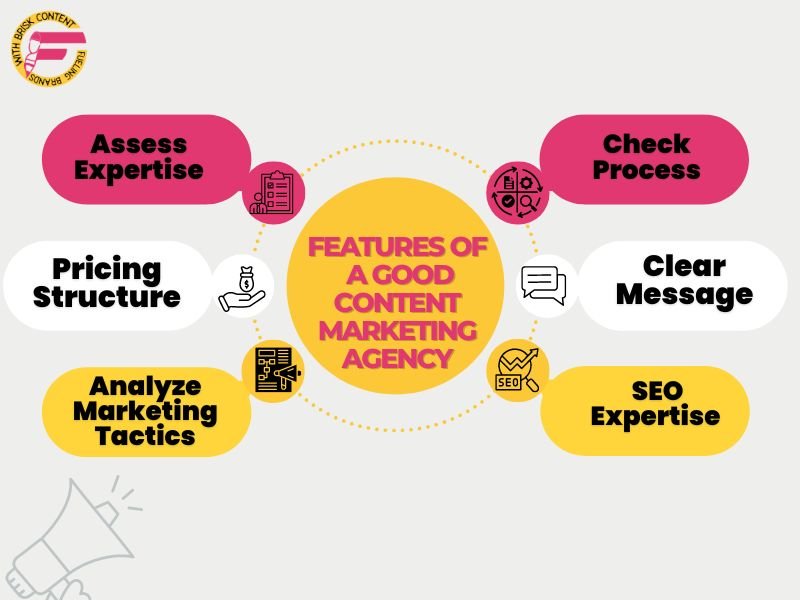
Features of a good content marketing agency

Every content marketing agency has its niche, but you decide who will make it work for your business. This requires you to set the following parameters clearly:

  • Understand your needs and work accordingly.
  • Engage in meaningful discussions to set your content marketing goals.
  • Explain your plans, strategies, and return approaches while valuing your input.

Assess  Expertise

Some of the key considerations are:

  1. Industry Experience: Monitor their experience handling businesses in your industry or comparable ones. Your organization will do well with this knowledge, indicating they know your target audience’s profile and the market dynamics.
  2. Portfolio review: The portfolio is their work, so review examples of previous work. Ensure that the content is high quality, includes various projects, and has good case studies that give you confidence in the work.
  3. Specialization: Sometimes, an agency specializes in certain areas, such as SEO, social media, or email marketing. Specialization leads to more effective strategies for achieving your goals.
  4. Team Credentials: Look for the credentials of the people who will work on your project. Are they good writers? Good designers? Good strategists? A good team is mainly responsible for the quality of your content.
  5. Customer Reviews: Read testimonials and past client reviews. Good reviews will give you an idea of whether the agency is reliable, communicates properly, and has a knack for what it does.

Check Process

Here is what you should look for:

  1. Initial Consultation: Ask about their approach to the initial consultation. A thorough discovery phase should involve understanding your business, goals, and target audience.
  2. Strategy Development: Inquire about how they develop a content strategy. A solid process should include research, goal setting, and defining key performance indicators (KPIs) to measure success.
  3. Content Creation: Understand their content creation process. How do they generate ideas, conduct research, and ensure quality? A systematic approach will yield better results.
  4. Review and Approval: Check how the review and approval process works. Will you have input at various stages? A transparent process helps ensure the content aligns with your vision.
  5. Distribution and Promotion: Ask about their methods for distributing and promoting content. Effective promotion is key to reaching your audience and achieving desired outcomes.
  6. Performance Tracking: Inquire about how they measure the success of their content. A good agency should use analytics to track performance and provide regular progress reports.
  7. Continuous Improvement: Find out how they incorporate feedback and make adjustments. A responsive agency will continuously refine its approach based on results and your input.

Analyze Marketing Tactics To Be Used

Here’s what you need to look for: 

  1. Content Strategy: Find out how they plan to create an effective SEO content strategy. A good strategy should include research on your target audience and content themes, as well as overall execution.
  2. Seek to know the SEO strategies they will utilize to enhance your content. Here, you seek their keyword research, on-page optimization, and link-building ways to make you stand out.
  3. Content Types: Determine the type of content they specialize in. These may range from blog posts to video production, infographics, podcasts, etc. Mixing different kinds of content can engage various segments of your audience.
  4. Distribution Channels: Illustrate how they will distribute your content. Social media, email newsletters, and other distribution channels must effectively engage the audience whose effort they are making.
  5. Performance Monitoring: They should demonstrate a way of measuring the success of their marketing efforts. Look for companies that employ analytics when they track vital metrics and change strategies based on your performance.
  6. Adaptability: Ask how they keep up-to-date with what’s new in marketing and how they update their strategy for their clients. A good agency is flexible, showing readiness to adjust to changing circumstances in the virtual environment.

Ask About SEO Expertise

Effective SEO is the essence of a successful content marketing strategy. So, evaluating an agency’s SEO competence is highly relevant. Here are some key questions to consider:

  1. Keyword Research: Ask how they are conducting keyword research. A good agency should systematically plan out the relevant keywords that will drive traffic and improve search rankings.
  2. On-page optimization: Ask them about their on-page SEO strategies. These include optimizing titles, meta descriptions, headings, and content structure to increase search engine visibility.
  3. Technical SEO will include elements like site speed and mobile friendliness. They must also know how to get indexed properly. All these form the foundation for improving overall site performance.
  4. Link Building: How will they go about link building? A good SEO campaign can only work with linking to high-quality backlinks; find out how they will procure these links and boost the authority on your site.
  5. Content Optimization: Find out how they optimize content for search engines without compromising quality. The key is to balance good SEO best practices and keeping your content interesting.
  6. Analytics and Reporting: They use analytics tools to track SEO performance. Find out which metrics they follow and how often they report on progress.
  7. Keeping in the Know: SEO is constantly evolving. Find out how the agency keeps its staff current with the trends and algorithm changes that affect your content.

Understand Pricing Structure

Pricing models: Ask an agency about its pricing models. Standard options include charging hourly, project-based billing, and retainer agreements. Every model has advantages and disadvantages, so you need to choose one that suits your needs.

  1. Service Packages: Do they offer service packages? Some agencies bundle services such as content creation, SEO, and social media management for a reduced rate. If these packages are available, they may be of really good value.
  2. Breakdown on Costs: Now, request a detailed breakdown of the costs of each specific service. In a more transparent breakdown, you’ll understand your spending and ensure no hidden fees.
  3. Flexibility: Does the agency consider flexibility in pricing? Knowing how they would treat a flexible pricing adjustment would always be useful if you change your requirements or the scope of work.
  4. Payment Terms: As much as payment terms indicate what is supposed to be set as deposits, the payment schedule, and even your cancellation policies, this can get you ready for what’s ahead.
  5. Value for Money: Consider the value you will get for the price. In most scenarios, a higher fee than you require for an established and experienced agency might yield better returns than going for something cheaper.
  6. Return on Investment (ROI): Discuss how the agency measures ROI. Understanding that they can track the success of their efforts will warrant the costs and ensure a sound investment.

Evaluate Communication and Support

Pay attention to the following aspects:

  1. First Contact: Notice how they communicate during the first few conversations. Are they responsive, attentive, and able to explain things clearly? This is basically how everything will start going forward.
  2. Regular updates: Inquire about their procedure for updating the project progress on your side. A good company should give you regular reports and check-ins to keep you updated.
  3. Feedback mechanism: Ask how they design their feedback mechanism. An agency that values your input and is willing to make alterations based on your suggestions demonstrates a commitment to collaboration.
  4. Access: How accessible is the agency to questions or concerns? You don’t want a partner who is challenging to reach and takes a long time to address your needs at critical campaign stages.
  5. Support Structure: What’s their support structure? Is there an assigned account manager or point of contact? Knowing who to go to will refine the actual communication process.
  6. Crisis Management: How will they address potential challenges or crises? An activist agency will have plans and the ability to respond to issues quickly and efficiently, with minimal disruption.
  7. Cultural Fit: Consider whether their communication style matches your company culture. A great fit will make collaboration enjoyable and the relationship at work productive.

Why Is Content Marketing Important To Your Business?

Your small business must stand out and differ from competitors in the dynamic digital marketplace. Content is the fuel for your marketing strategy. Dull and ineffective content could ruin a splendid design and mar your marketing strategy.

With content marketing, you can build up your online business reputation. You’ll be able to serve your viewers with all sorts of content, such as videos, blog posts, infographics, social media posts, and presentations. By offering value to the audience in these forms, you will attract the viewer and build brand trust.

When planned and produced correctly, content can drive the audience toward your company’s website, where they convert into leads and sales. Content marketing becomes a compelling strategy that allows small businesses to differentiate themselves from the competition in the industry. You must find a reliable content marketing agency to help you reach more people and build brand trust.

Conclusion

Once you have marked off the requirements checklist, that’s only some of it. You will also need to do your research to separate the wheat from the chaff. Also, have a list of the agencies you would want to work with and then proceed to narrow down the candidates. Then, you will sit down with them, make them explain what they are offering, and then comfortably decide which one to hire.

Choosing the right content marketing agency is the key to great success for any business, whether online or offline. A strong partnership will elevate your brand, expand your audience, and convert leads to customers. 

Connect with us to know how we can help your business grow.

Categories
Blogs Content Marketing

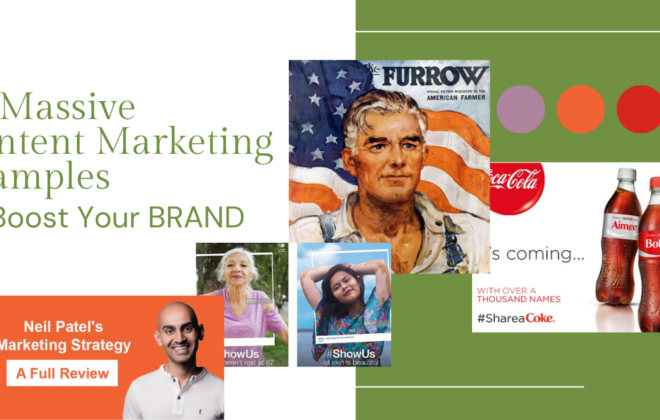
17 Massive Content Marketing Examples to Boost Your Brand

Are you a new marketing company seeking inspiration and case studies to understand better how branding and promotion may strengthen your business? Worry not because you are exactly where you should be.

In this digital era of business, marketing has become an easy path to success. There are multiple ways and roots to promote your brand like a pro.

Successful entrepreneurs and brands are always here to help and figure out how it all works because they have been through exactly what you’re going through.

We have numerous examples of different brands to boost your fresh new startup company; let’s learn briefly about them and how they’re marketing their products. 

Augmented Reality Examples

  1. Ikea

Who doesn’t like spending time at Ikea, the Swedish furniture brand? We all enjoy roaming the aisles of the lavishly furnished market. Some consumers who are too busy and occupied to purchase new furniture might be unable to find the time to visit the store.

Hence, Ikea has created an app where customers can place furniture in their homes without even buying it. Yes, you read that right. Without buying, we can now determine which art piece will suit our home’s wall.

This is an excellent way of enhancing the products and marketing them smartly.

  1. L’Oreal Paris 

The new L’Oreal Paris app “try before you buy” features a tool that allows users to quickly try on a product virtually and figure out what shade of lipstick or blush will suit their skin tone without even buying it. 

This feature allows customers to try the product without even purchasing it from the comfort of their home.

This is an excellent idea for promoting or marketing your product while making customers happy with the new updates.

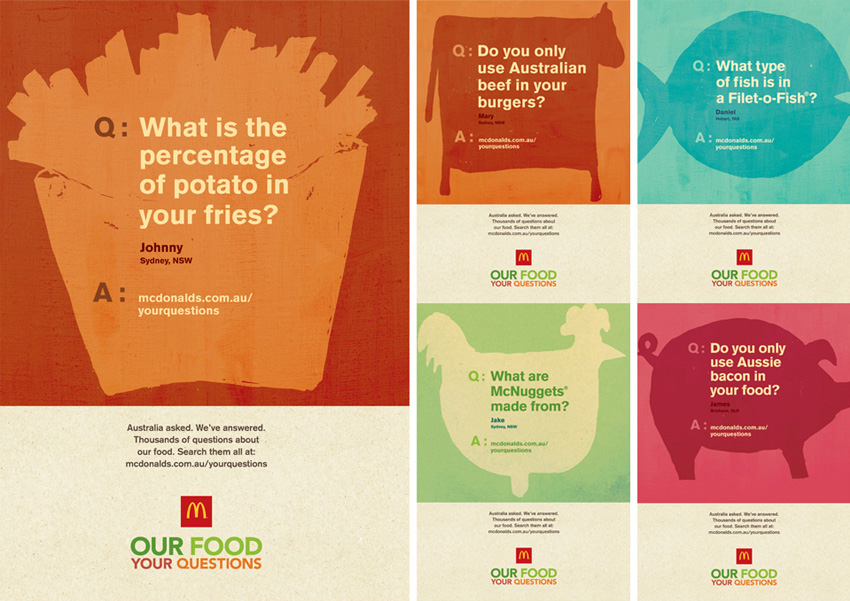
  1. McDonald’s 

McDonald’s new customer service feature, “question time,” helps people understand what ingredients are in the food they’re about to consume. 

We can now determine what product is used in the burger patty we’re about to devour. This feature helped McDonald’s build connections with customers by being honest. 

Customers can feel more free and connected with the brand. It also drove authenticity across different platforms. 

  1. Coca-cola

Coca-Cola launched a new marketing campaign called “Share a Coke,” in which the beverage company printed familiar names on the bottle.

This step by the brand touched the sky with success as people started buying the product just for the name on the bottle.

Who doesn’t enjoy talking about themselves, after all? 

Seeing your name on a bottle sparked joy and conversation, leading to excellent product marketing.

  1. Rolex

Visualization plays a crucial role in marketing. People buy what they find attractive and eye-catching, and this is precisely what Rolex worked on. 

To capture the classic aesthetic of its brand, Rolex uses Instagram photographs. The pictures scream classic, simplicity, and the product’s sparkliness, resulting in millions of followers on the social media app.

Blog Examples

  1. Neil Patel’s Marketing Blog

Neil Patel is everywhere, helping businesses broaden their marketing and educating them. His in-depth guides and blogs on KissMetrics and Quick Sprouts rank him in the top five, and he assists many entrepreneurs who started their businesses from scratch.

Patel is a prolific blogger, earning around 3 million visitors on his blog every month. His aggressive content marketing strategy is the primary reason behind this success.  

Although his articles are straightforward, he goes all in on the information he provides. From using charts and graphs to providing accurate statistics and personal experiences, he always delivers as much content as possible. 

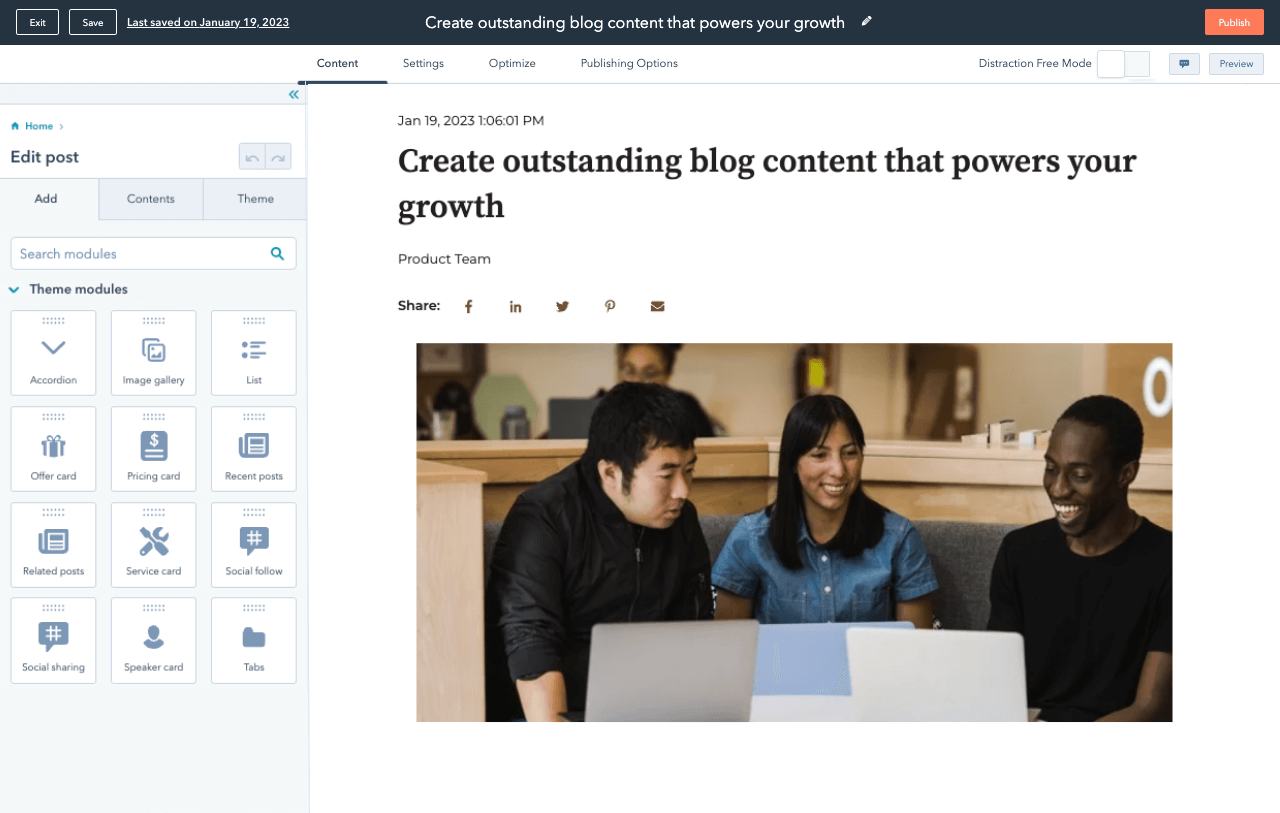
  1. HubSpot

HubSpot is a machine that creates and spreads content. They are doing incredibly well with their work.

HubSpot recommends that amateurs publish 4-6 blogs per day on their site. Posting content frequently will engage you with your audience on any platform. 

HubSpot posts regular blog posts, ebooks, and whitepapers. It also creates and broadcasts multiple webinars and videos. 

  1. Shopify 

Despite its e-commerce niche, Shopify also posts bulk content on its website. Its blog reflects on its journey and that of the people who sell through it.

Shopify had more than 26 million page views in the last year alone. It also conducts a podcast show called “Shopify Masters,” where they interrogate successful store owners and have long conversations with them. 

The primary reason Shopify is doing so well with blogs is that they understand their audience.

We take this away from them: Do not limit your reach and content scope just because you don’t have a niche or if you have a proper niche. 

  1. Etsy

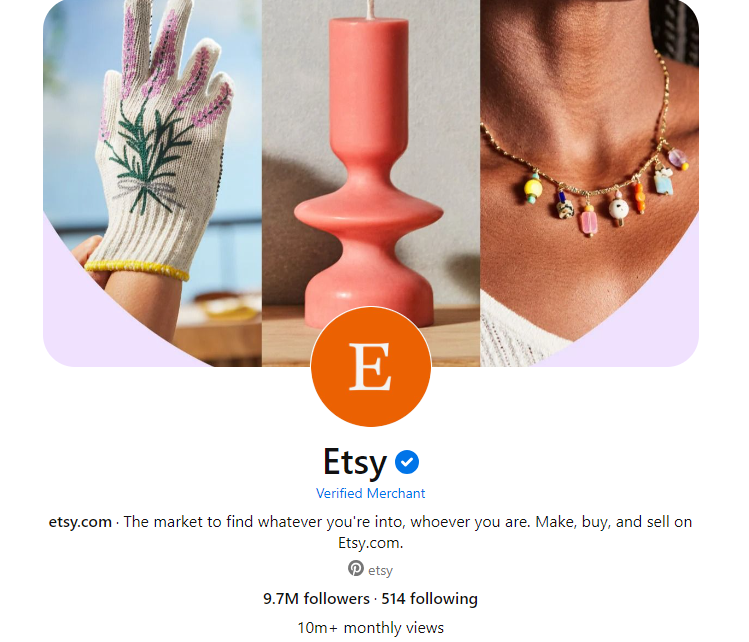
Etsy is also an online marketplace, like Shopify. In its e-commerce niche, Etsy sells handmade and aesthetic vintage goods. The brand uses blogs to market its products and goods on different apps.

Products from Etsy are ideal for marketing on Pinterest, where users, particularly the younger generation, enjoy looking through attractive and cosmetic products. 

Etsy has 9.7 million Pinterest followers, 10 million+ monthly visits, and 3 million Instagram followers.

The brand is famous for its handicrafts, designs, aesthetically pleasing visuals, and photography.

Etsy advertises its work on social media and blogs because its customers admire its presentation.

  1. Zip Recruiter’s podcast

The recruitment site ZipRecruiter collaborated with Shark Tank star Daymond John to create the podcast “Rise and Grind with Daymond John.” 

John invites and features entrepreneurs, athletes, and musicians worldwide in his show. ZipRecruiter made an astounding move, not to promote and talk about his service but to talk about things that motivate people.

People listen to podcasts to be entertained, educated, and motivated; making them interested in you by marketing your company and goods will turn them off. 

  1. Microsoft’s “Stories” blog

Life stories and personal experiences connect us. We hear the life tales of hundreds of people; that is what we connect to and relate to.

Microsoft created a new way of expanding its business through this human act. The new “stories” blog helps consumers become more familiar with Microsoft, which helps build brand loyalty and repeat business.

  1. Xero Blog

Xero is a famous online B2B brand that invests in content marketing to promote and advertise its products through blogs. 

The Xero blog’s target audience is mainly interested in topics related to small businesses, tech, and products. 

It demonstrates the significance of this digital marketing tactic: a well-known B2B company like Xero utilizes content marketing to publish stories on its blog.

Social Media Marketing examples

  1. Starbucks

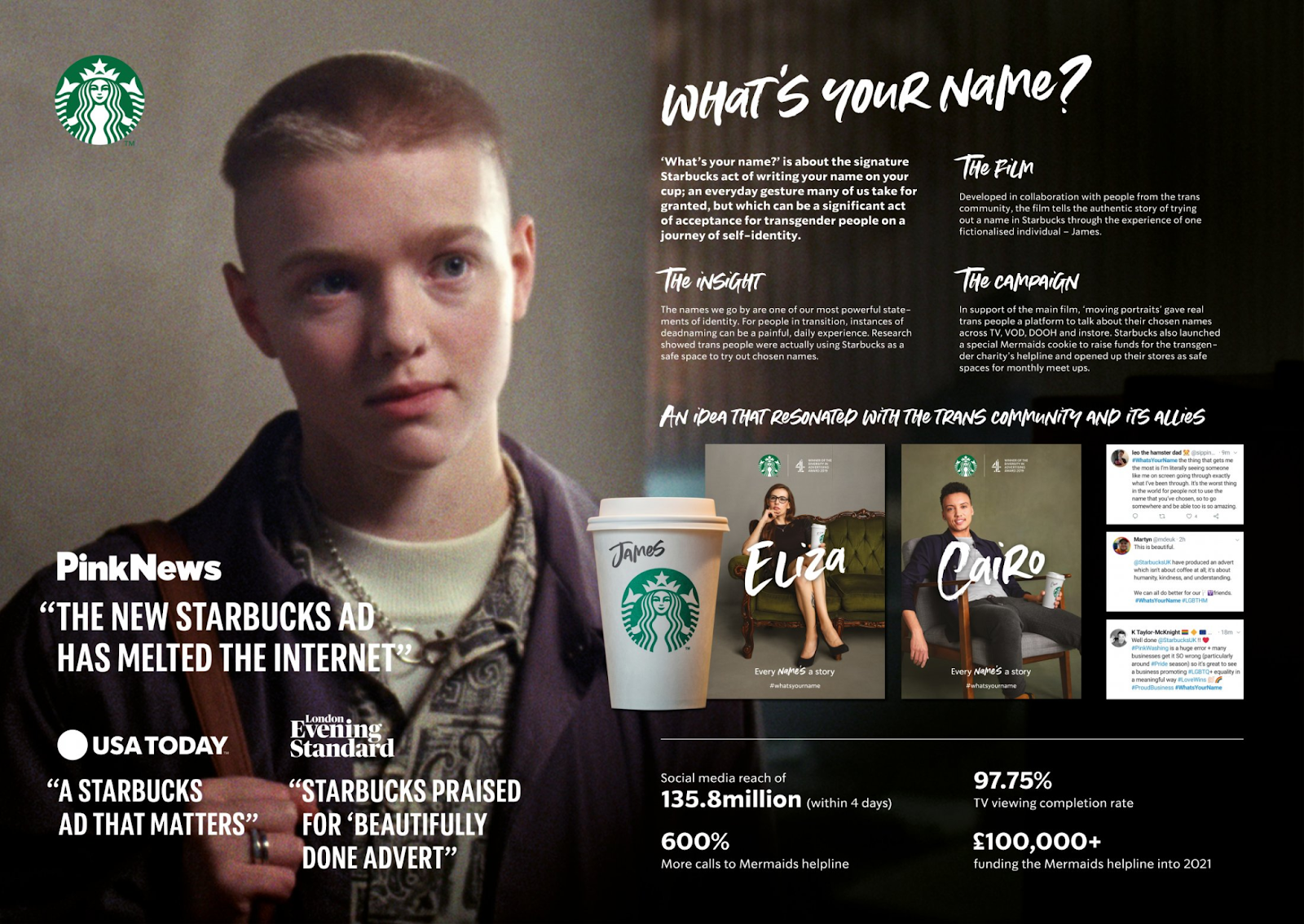
Starbucks started campaigns like #ShotOfPride and #WhatsYourName to support the LGBTQ+ community and gender-diverse youth, respectively. This move created a huge buzz among the public.

Approximately 70-80K likes were gained on Instagram. Starbucks used real people and a politically uplifting trend to attract its audience.

They also started a “one of the people” trend to share real-life stories.

The critical takeaway from Starbucks is that, as a social media marketer, you must follow the trend that creates a long-lasting impression on people. 

  1. Dove’s #ShowUs project

Dove started an initiative called #ShowUS to shatter beauty clichés. Working with Getty Images, they took photos of everyday individuals and non-binary persons without editing to demonstrate true beauty. 

The project reached around 2 billion people in 39 countries; 500+ women participated; around 660 media pieces were created, and more than 700,000 posts were made on Instagram. 

We realize from this project as marketers that people on social media want to be connected with real people who understand unrealistic beauty standards and want to be featured as such.

As a social media marketer, run a campaign or hashtag that makes people feel noticed and special.

  1. Gillette

In 2019, Gillette posted a short film exclusively on YouTube, aiming directly at the modern interpretation of manhood, called “Gillette: We Believe: The Best Men Can Be”. The film depicted the cases of men going through masculinity, bullying, and sexual harassment.

The film launched in the campaign got more than 27 million views and around 1K likes on Instagram (which is more than the usual post from Gillette). The #GilleteAd reached almost 150 Million people in just one month.

Even though the ad reached millions, some found it offensive and started a hashtag #boycottgillette. Nonetheless, it didn’t get much attention, and men felt appreciated.

It isn’t easy to be politically active, but if you can, do it. This calls for investigation, audience feedback, and a profound comprehension of your brand voice.

Content Marketing examples

  1. LinkedIn

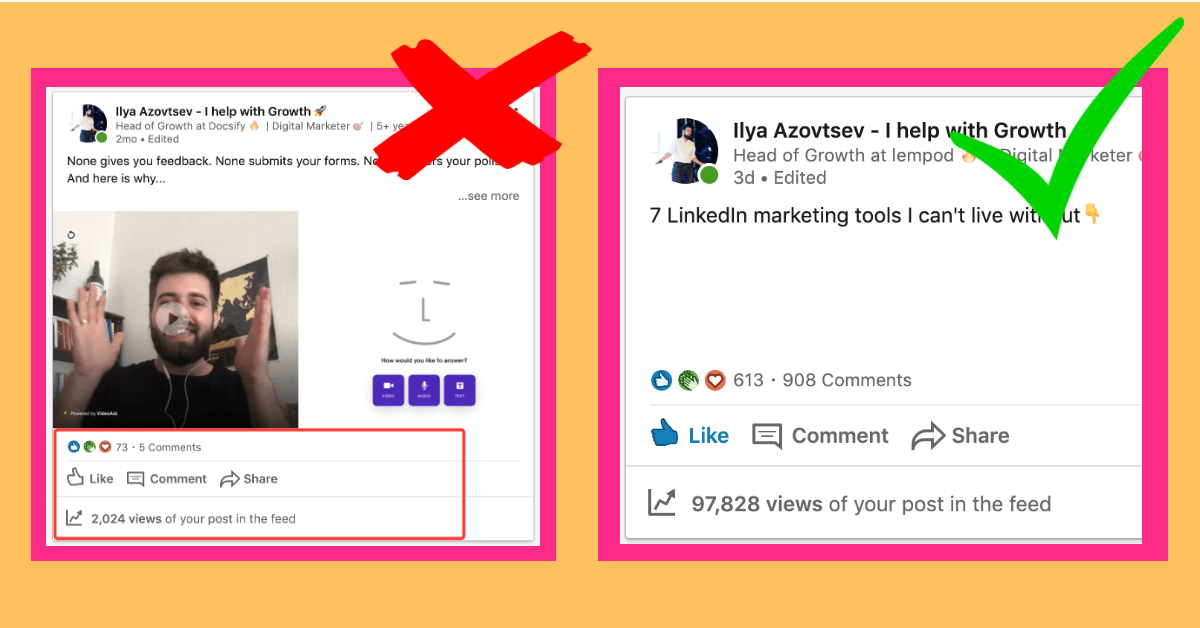
We know that LinkedIn is a vast platform for searching for jobs and hiring. Its marketing relies on visualization.  LinkedIn uses visualization as a significant marketing tool. It uses all images for blogs, quotes, posts, Illustrations, etc.  

Use images and pictures to keep your audience interested and engaged. 80% of LinkedIn users are unlikely to read the posts you make, but they will undoubtedly see the images and videos you upload.

  1. The Furrow

John Deere, the founder of “The Furrow,” has been using B2B content marketing even before we started calling it that (a century ago). Deere was a blacksmith who saved farmers struggling to turn the heavy, sticky prairie soil with traditional plows made for New England’s light, sandier soils.

He published the magazine “The Furrow” to educate farmers with the latest technology to solve the newest farming problems.

His magazine mainly focused on a farmer’s problems rather than his inventions and products.

The article is still published in the journal and discusses the contemporary issues farmers face while scarcely mentioning their products.

“The Furrow” is an excellent example of B2B content marketing.

In a nutshell

Multiple companies are creating epic content on their websites along with these. If these successful companies can occupy the facility of content marketing strategy, why not you?

We explored 17 content marketing examples that boosted their companies even without a content strategy. 

Carefully analyze your approach based on what works best for your brand, where you can find talent and the resources you have at your fingertips. After you have outlined your plan, you can go forward.

Categories
Blogs Content Marketing Content Writing

7 Content Writing Tips to Boost Your Content Marketing

What makes one piece of content rank on Google while another gets buried? What makes one post go viral while thousands of similar ones are ignored?

The popularity of content marketing has led to a tsunami of content online. Millions of blogs, social media posts, videos, and articles are published every single day. The rise of AI has made producing content as easy as typing a search query. Anyone can now generate content in seconds.

But creating content that ranks and goes viral is far more than just putting words together. Content must be informative enough to educate, yet engaging enough to hold attention, and, of course, search-engine-optimized (SEO). It must read effortlessly, yet be compelling enough to keep the reader hooked till the last word.

Your content marketing strategy may be perfectly planned, but if the writing is weak, it will never deliver the results you’re aiming for. An outstanding strategy needs terrific writing to bring it to life

So, are you ready to supercharge your content marketing with exceptional writing? Here are the essential tips that will change the way you create content forever.

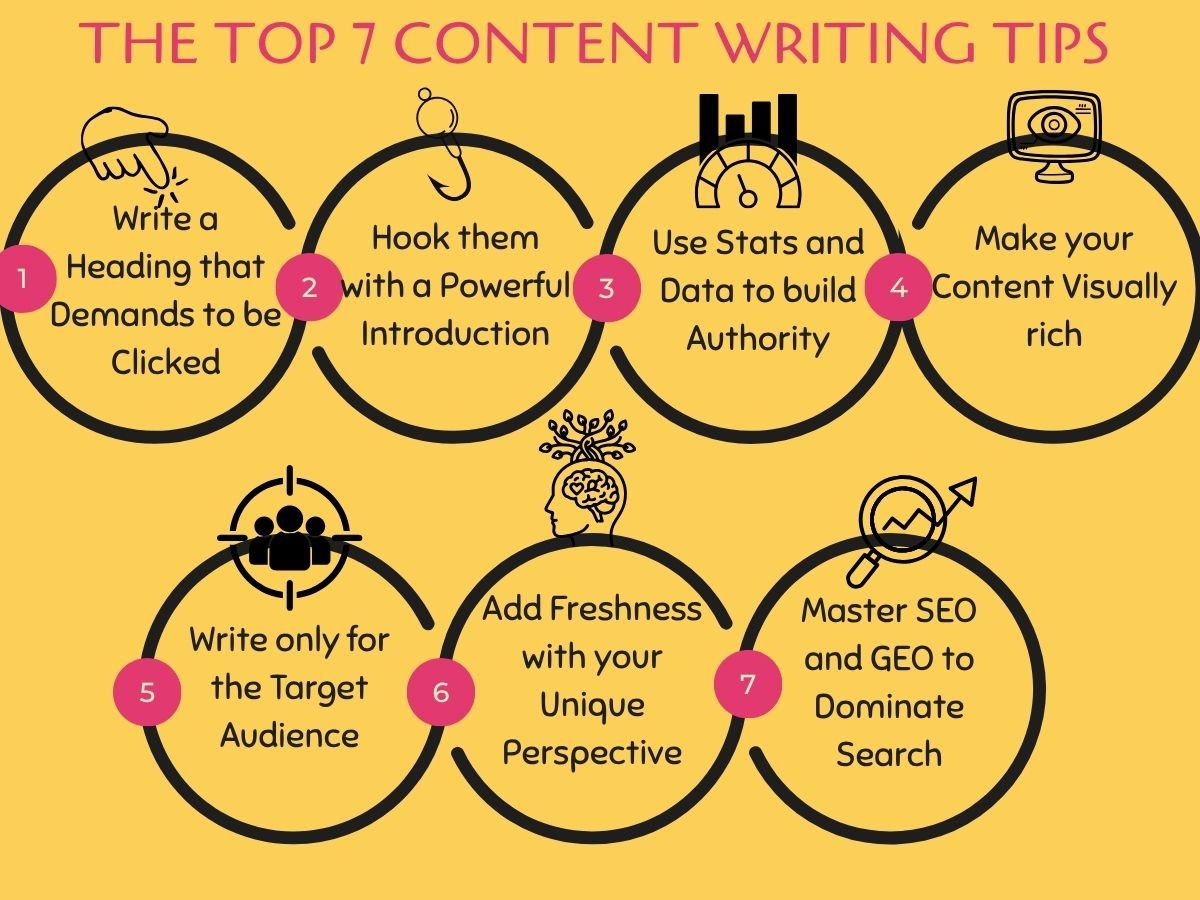
7 Tips to Transform Your Content Writing for Better Results

1) Write a Heading that Demands to be Clicked

Your headline is the most important line you will ever write for your content. It is the first thing the audience will read to decide whether to move on to your introduction or leave. In fact, according to Copyblogger, 8 out of 10 people will read a headline, but only 2 out of 10 will read the rest of the article.

A great headline not only grabs attention but also signals value and stirs curiosity. It should make readers feel they will gain something and that they have to continue reading, or they will miss out on something important.

Successful content creators, BuzzFeed and Cosmo, have built an entire media empire almost entirely on the strength of their headlines. Titles like “17 Things Only 90s Kids Will Understand” or “How to Get the Body You Want Without Going to the Gym” trigger an emotional response that makes clicking feel irresistible.

Another great example is HubSpot. Its blogs consistently rank on Google not just because of their content quality, but because their headlines reflect the search intent. Titles like “How to Write a Cover Letter That Gets You the Job” or “The Ultimate Guide to Email Marketing” tell you exactly what you’ll get while making you want it immediately.

So, make sure you spend enough time on curating a headline that ticks all the required boxes, such as:

  • Clear and easy to understand (No cryptic word play)
  • Use numbers, preferably odd ( 9 tips, 5 ways, 7 mistakes)
  • Use words that people actually use (Search intent)
  • SEO-friendly
  • Keep it short
  • Pair it with visuals (featured image or a thumbnail)

2) Hook them Early with a Powerful Introduction

A powerful introduction should hook the reader emotionally. Its first couple of sentences should address a pain point with a powerful question or a shocking stat. It should then aim to establish the relevance of the topic to their life and promise a solution worth reading.

It should never begin with a dictionary definition or a generic statement like “In today’s world…” — these are the fastest ways to lose a reader who was already curious enough to click.

James Clear, author of the globally bestselling book Atomic Habits and one of the most subscribed newsletter writers in the world, almost always opens with a single short, punchy sentence or a surprising fact that stops you cold. His blog post on habits opens with — “Every action you take is a vote for the type of person you wish to become.” One sentence. Entire attention captured.

Your introduction also has a critical technical job to do. To rank with google it must contain your primary SEO keyword, ideally within the first 100 words. Google scans the opening lines of your content for SEO keywords to determine its relevance to a search query. By adding keywords naturally in the introduction, you can ensure your content ranks for a particular search query.

Here are the most effective techniques for writing an introduction that hooks:

  • Open with a surprising fact or powerful question ( address pain point)
  • Start with a bold statement (challenges commonly held beliefs)
  • Establish emotional connection
  • Use SEO keywords naturally
  • Promise value

3) Use Stats and Data to build Authority

Research by Demand Gen Report found that 96% of B2B buyers want content with greater input from industry thought leaders. When you cite credible research, you position yourself not just as a writer but as an authority. You become a source worth trusting, referencing, and returning to.

Content Marketing Institute publishes an annual report packed with industry data that is referenced by marketers globally every single year. Neil Patel regularly publishes data-backed case studies on his blog — articles like “I Analysed 1 Million Headlines — Here’s What I Learned” routinely generate hundreds of thousands of visits because they offer something genuinely unique.

Google rewards well-researched, cited content with higher rankings. AI engines like ChatGPT and Perplexity actively draw on and credit content that includes verifiable statistics. In the new era of search, your data is your visibility.

Follow these rules when using data in your content:

  • Use data to open loops — a shocking figure makes readers curious for the explanation
  • Cross-check your statistics — verify the same figure across multiple sources before citing
  • Prefer primary sources — link directly to the original report, not a blog that quoted it
  • Keep data current — aim for statistics from the last two to three years maximum

4) Make your Content Visually Rich

According to John Medina, molecular biologist and author of Brain Rules, people retain 65% of information when it is paired with a relevant visual — compared to just 10% retention from text alone.

A relevant image or graphic placed at the right moment breaks the monotony of continuous text and makes the overall content feel more inviting and easier to digest. The result is a reader who stays longer and absorbs more.

The infographic presents the information in a concise and visually engaging format. Complex processes, step-by-step guides, and comparative information that would take hundreds of words to explain in text can be communicated in seconds through a single well-crafted infographic.

Statistics can be presented as a bar chart, a pie chart or other data visualization graphics, which the brain processes instantly and remembers.

From an SEO perspective, visuals matter more than most writers realize. Properly optimized images with descriptive file names, compressed file sizes and keyword-rich alt text can drive significant traffic through Google Image Search. Infographics in particular are among the most linked-to content formats on the internet, earning backlinks that strengthen your domain authority.

Here is a practical guide to choosing the right visual for your content:

  • Infographics — ideal for presenting processes and comparisons
  • Custom charts and graphs — perfect to represent data and statistics
  • Photos and illustrations — visually pleasing images to build an emotional connection or break up long text sections
  • Videos and GIFs — highly effective for demonstrations and tutorials

5) Write only for the Target Audience

Knowing your audience is the foundation for everything else. The tone you adopt, the examples you choose, the problems you address, and the solutions you offer must be shaped by a deep understanding of who you are writing for.

Audience research also directly strengthens your SEO strategy. The keywords your audience uses when searching for solutions to their problems are the exact keywords your content should be built around. Understanding your audience’s language, their questions and their pain points is the most effective form of keyword research.

Here are the most effective ways to research and understand your audience:

  • Google Analytics — reveals who is visiting your content and what they read
  • Social media insights — Facebook, Instagram and LinkedIn provide behavioral data (tone, language)
  • keyword research tools — Google Keyword Planner, Ahrefs and SEMrush show exactly what your audience is searching
  • Surveys and questionnaires — ask your existing audience directly what content they want
  • Online communities — Reddit, Quora and niche Facebook groups reveal the pain points
  • Competitor analysis — study which content your competitors publish that performs best and why

6) Add Freshness with your Unique Perspective

In an era where AI can produce technically flawless content in seconds, your humanity is your most valuable differentiator. Adding a personal touch is about allowing your genuine voice, values and perspective to come through in everything you write. It is the difference between content that informs and content that connects. Connection is what turns a casual reader into a loyal follower and, eventually, a paying customer.

When your audience catches a glimpse of the real person or people behind a brand, it creates a sense of familiarity that no amount of professional copywriting can manufacture.

Neil Patel built a multi-million-dollar digital marketing empire largely on the back of transparent, personal content — openly sharing his own failures, revenue figures, mistakes and lessons. His readers trust him not because he is perfect but because he is honest.

Here are the most effective ways to add a personal touch to your content:

  • Share your own experiences and stories — real examples of both failures and successes
  • Express genuine opinions — do not be afraid to take a position on industry debates
  • Show behind the scenes — give readers a glimpse into your working process
  • Use conversational language — write the way you speak
  • Use your name and face — dramatically increases readers’ trust and content credibility

7) Master SEO and GEO to Dominate Search

At its core, Search Engine Optimization (SEO) in content writing means understanding what your audience is actively searching for and crafting content that answers those searches. For years, SEO meant researching your keywords and placing them strategically to improve ranking. But the rise of Artificial Intelligence has fundamentally changed how search engines evaluate and rank content. The content writers who are still playing by the old rules are falling behind.

Today’s search engines are powered by AI tools like ChatGPT Search, Perplexity and Microsoft Copilot. These tools do not simply scan content for keywords. They read, evaluate and, assess it against a sophisticated set of criteria that goes far beyond keyword frequency.

This evolution has given rise to an entirely new discipline called Generative Engine Optimization (GEO). As AI-powered search tools become the primary way millions of people find information online, optimizing your content to be discovered, cited and referenced by these AI engines is rapidly becoming as important as traditional SEO.

AI search tools do not just rank content, they synthesize it and present parts of the content that exactly answer the point. Content that is well-structured, rich in original data, and properly cited is likely to be selected by AI engines as a trusted source.

Here is how to optimize your content for both SEO and GEO:

  • Write with genuine expertise
  • Structure content clearly
  • Match search intent precisely
  • Cite credible sources
  • Cover topics comprehensively
  • Keep content updated

A Word About Artificial Intelligence AI

No conversation about content writing in 2026 is complete without addressing Artificial Intelligence. Used intelligently, AI can make you a significantly more productive writer.

As a research and ideation tool, AI is extraordinary. It can brainstorm topic ideas, generate multiple angles, suggest relevant statistics, create content outlines and help you overcome the paralyzing blank page that every writer knows too well. Some of the best AI tools for content writers include Jasper, Claude and Surfer SEO.

However, AI-generated content comes with serious limitations. The AI content is generic, repetitive and oddly formal. More seriously, AI can generate incorrect information, presenting fabricated statistics and non existent citations with complete confidence. To learn more about drawbacks of using AI unchecked, read our blog ‘Potential Pitfalls of Using AI for Marketing.’

The bottom line is that AI is like your 24-hour assistant who is brilliant, tireless and enormously useful. But you are the boss. And on any topic that truly matters, your insight and humanity will always produce better content than any machine ever could.

Here is how to use AI smartly:

  • Use it for content ideation and outlining
  • Verify every statistic independently
  • Never publish unedited AI content
  • Add your human layer

BOTTOM LINE

The fact that Content Marketing delivers real results has been proven time and again by various studies. Companies have significantly boosted their ROI by leveraging the power of content marketing.

The key to successful content marketing is well-written, unique and impactful content. One must understand that writing for digital marketing is different from traditional marketing. In the digital world, your piece has to work hard to be visible in the sea of content. Content marketing may be cheaper than traditional marketing, but it requires a talented workforce with certain skills to do it effectively.

The bottom line is that business owners need to take an active approach to their content writing to get better results from their content marketing efforts. By following the guidelines stated above, you can ultimately transform your content with ease from ‘ok’ to ‘awesome’, and your content marketing can reach a wider audience and increase engagement. 

FAQ’s

Q: What is the difference between content writing and content marketing?

Content writing the actual process of researching, drafting and polishing written material such as blogs, social media posts, newsletters and website copy. Content marketing is the strategy that determines what content is created, for whom, through which channels and towards what business goal.

Q: How long should a blog post be for the best SEO results?

There is no universally perfect length for blogs. The key principle is that your content should be exactly as long as it needs to be to answer the reader’s question comprehensively and authoritatively. Focus on depth and relevance over word count.

Q: If I use AI to write my blog content, will it affect my Google ranking?

AI-assisted content will not automatically hurt your Google ranking. Google’s official position is that it does not penalize AI-generated content simply for being AI-generated. What Google does penalize is content that is low quality, unhelpful, unoriginal or clearly produced without genuine human expertise.
The practical implication for content writers is to use AI as a powerful assistant for research, ideation, outlining and first drafts, but always bring your own expertise, voice, verified data and personal perspective to the final content.

Categories
Blogs Content Marketing Content Writing

How Content Marketing can Grow Your Business

Brisk, high‑quality content is no longer just a “supporting act” for your brand; it has become the engine of growth in today’s hyper‑competitive digital marketing landscape. 

According to Demand Metrics, “Content marketing costs 62% less than traditional advertising and generates approximately 3x more leads,” therefore making content marketing one of the smartest investments a business can make.

And, with 70% of consumers preferring to learn about a brand through its digital content, it is a critical touchpoint that no brand can ignore if it wants to grow. Learn how content marketing can fuel your business growth and help you reach more audience at a fraction of the cost.

What is Content Marketing?

Content marketing is the strategic process of creating and publishing digital content that informs and engages a specific audience with the goal of converting them into customers.

Good-quality content doesn’t directly pitch its product; instead, it provides useful information that helps users answer their questions or solve a problem. It helps the business to establish credibility and trust over time, thus driving profit and growth.

While traditional marketing is all about promotional messaging, content marketing contests for attention by providing value first, with selling happening indirectly, and costs are comparatively very low.

Why is Content Important for the Brand?

Content is the backbone of modern marketing strategy. The global content marketing industry is projected to reach nearly $1.95 trillion by 2032, showing how deeply brands now rely on content to build trust and loyalty.

Millennials and Gen Z don’t just buy a brand because it is endorsed by a famous personality or because of its logo or slogan. Instead, they will buy your brand if they like what it says, how it says it, and how consistently it delivers.

A simple example could be a washing powder brand that publishes information on ‘Best way to remove curry stains’ or ‘ Common laundry mistakes that harm our clothes.’ If Parents and homemakers find the content useful, they begin to trust the particular washing powder brand.

Apart from helping the audience make smarter buying decisions, content also serves as an important ranking factor for search engines. It will help your websites rank with AI tools, which, in turn, will grow new leads and conversions. 

Types of content format that are popular today include:

  • Social media content (carousels, threads, UGC‑style posts)
  • SEO/GEO Blog posts, articles and long‑form guides
  • Video scripts (YouTube, Reels, Shorts, TikTok)
  • Podcast episodes and audio scripts
  • eBooks, white papers, and case studies
  • Press releases and product descriptions
  • Landing pages and email sequences

Content Format that Dominates 2026

According to recent research by HubSpot, today’s most effective content formats are short‑form, interactive, and multi‑platform.

Content typeWhy it works nowExample use case
Short‑form videoHighest ROI on social media Product demos, quick tips, behind‑the‑scenes.
Long‑form videoStrong for retention and trust Webinars, tutorials, case study walkthroughs.
Blog postsValued for depth and SEO. How‑to guides, product comparisons, explainers.
Infographics30x more likely to be read than text; boost traffic by 12%. Data summaries, mind maps, process breakdowns.
Case studiesTop‑performing format for driving traffic in AI‑first search. ​B2B industrial, SaaS, and service‑based brands.
UGC‑style contentBuilds trust and performs strongly on social media.Customer testimonials, reposts, reviews.
AI‑ready snippetsStructured Q&A sections, FAQs, and tables optimized for AI citations. Feature pages, pricing, and support content.

How AI has Changed the Content Creation Landscape

The introduction of generative AI has transformed content creation beyond recognition. Tools like ChatGPT, Gemini, and Claude can draft blog posts, generate headlines, and even suggest SEO structures in seconds. 

What once took a writer hours can now be conceived in minutes. AI handles time-consuming tasks such as research, formatting, and ideation, so teams can focus on strategy rather than execution.

Yet, for all its power, AI remains a tool, not a creator. It needs humans to feed it context, direction, and purpose. More importantly, only a human can bring genuine emotion, experience, and an authentic voice to content that truly connects with an audience. AI can assist content creators beautifully, but it will never replace them.

How Content Fayah can Fuel your business growth with its Brisk Content

Whether you’re a startup finding your voice or an established brand scaling your reach, Content Fayah builds content that works harder and lasts longer. We are professional content‑writing and growth marketing service providers, and will help your brand reach new highs by creating:

  • Digital marketing strategy for growth 
  • Consistent and impactful brand voice 
  • SEO/GEO optimized and human-centric platform-specific content

A skilfully crafted content piece can be a long‑term asset for your brand, continuously driving engagement and lead generation for many years.

Conclusion: Make Content the Heartbeat of Your Brand

Robert Rose, who is renowned for his expertise in content marketing, once famously said,

 “Traditional marketing and advertising is telling the world you’re a rock star. Content marketing is showing the world that you are.”

That line is even more relevant today, when proving your expertise through content is what separates commodity brands from leaders.

Businesses that invest in original and human‑centric content marketing are more likely to be cited directly by AI tools and search engines. Which is directly proportional to lead generation and hence conversion.

When done right, brisk, high‑quality content becomes the primary driver of discovery and growth. Because your content is what differentiates you from other brands and gives you a competitive edge in the digital marketplace.

Q1. How long does it take for content marketing to show results?

Content marketing is a long-term investment. SEO-driven blog content typically takes 3–6 months to gain meaningful search traction, while social and short-form content can drive faster engagement. Brands that publish regularly compound their visibility over time.

Q2. Can small businesses benefit from content marketing, or is it only for large brands?

 Content marketing is arguably more powerful for small businesses. It levels the playing field by allowing smaller brands to build authority, trust, and visibility without the massive budgets required by traditional advertising. A well-written blog or a consistent social presence can put a small brand in front of the right audience just as effectively as a large-scale campaign.

Q3. What is the difference between content writing and content marketing?

Content writing refers to the actual creation of written material — blogs, scripts, captions, and more. Content marketing is the strategy of using content purposefully to attract, engage, and convert a target audience. Think of content writing as the craft, and content marketing as the plan.

Ready to make content the heartbeat of your brand?
Contact us now https://fayahdigitals.com/contact-us/