“SEO is not about optimizing for search engines; it’s about optimizing for people.”-Rand Fishkin, founder of Moz

When it comes to increasing your website’s visibility in search engine results, it’s best to aim high. An effective SEO content strategy helps your site rank higher on search engine result pages (SERP), the higher your click-through rate and the more organic traffic you’ll receive.
Yet reaching those treasured top slots requires some effort. You’ll need a complete SEO content strategy based on audience, keywords, and user intent, as well as a finger on the pulse of the ever-changing search landscape.
We’ll look at how SEO-driven content fits into your overall search visibility efforts in this post and the important aspects you’ll need to construct an effective campaign.
Components of a Successful SEO Strategy
Before we get started, let’s take a step back and look at the larger picture. According to reports, more than 200 Google ranking factors influence where sites appear in SERPs. SEO content authoring is vital, but it is only one of several.
A thorough SEO strategy consists of four components:
- On-page SEO helps search engines understand a page’s content, enabling it to be matched to relevant search queries. Writing meta titles and descriptions, using headers, optimizing images, creating informative URLs, and adding internal links are all examples of these tasks.
- Off-page SEO involves earning backlinks from other websites to demonstrate your content’s credibility and value. A link-building approach may include guest articles, influencer collaborations, or outreach to reference pages.
- Technical SEO makes it easier for search bots to crawl your site by addressing issues such as site speed, loading times, mobile compatibility, security, and other technical factors.
- Content SEO is the creation of information that users want to consume. The information should be simple to read, informative, and provide a considered response to the search query.
Implementing a successful Content Strategy
Implementingan effective SEO content strategy makes your website more attractive to search engines, enabling their crawlers to quickly explore, categorize, and rank your content. If you are looking for tips to make your content stand out and rank on SERP, then read our blog on 12 tips to take your content to the next level.
This involves search bots collecting and organizing data based on essential SEO features like metadata and keywords. Ultimately, search engines evaluate a page’s relevance, quality, and user-friendliness to determine its usefulness and placement in search results.
Crafting a Winning SEO Content Strategy
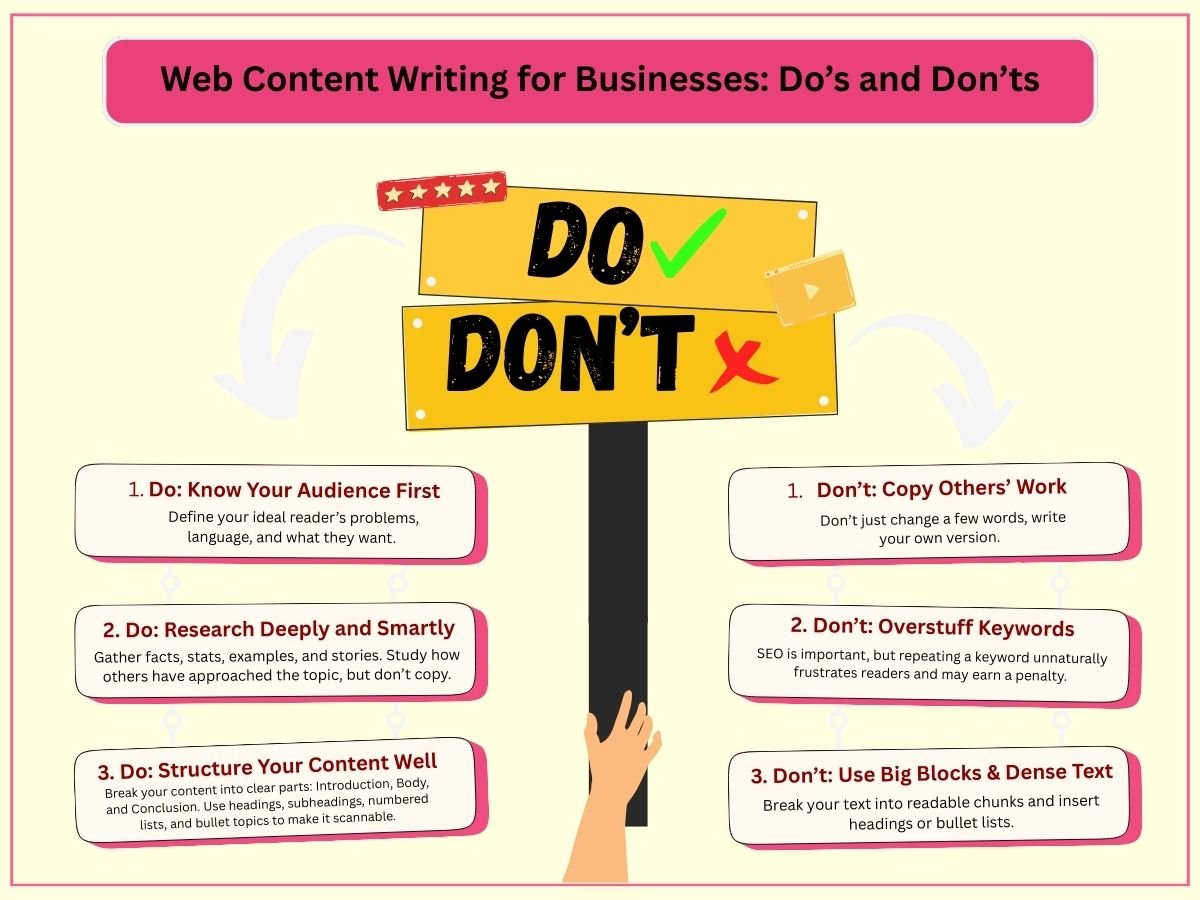
To succeed in the competitive world of SEO, your content must be top-notch and match the needs of your target audience. Google’s aim is to deliver the most appropriate and useful results for users’ searches. As a result, your content must be high-quality and relevant to rank well. To achieve this, you should create a comprehensive SEO content strategy centered on the following key components: understanding your audience, identifying their needs, setting clear business goals, and crafting content that aligns with both your audience’s needs and your business objectives. Building your strategy around these components allows you to create content that engages your audience and improves your search engine rankings.

Target Audience
To start with SEO content writing, it is crucial to identify your target audience. You should understand their needs, concerns, preferred information sources, and content format preferences, such as videos or comprehensive articles. Adjust your content to cater to your audience and use a tone that connects with them effectively.
Industry Niche
SEO content strategies are not one-size-fits-all and depend on the industry niche. Researching customer search terms and competitor keyword targeting is essential. For industries such as landscaping, event planning, plumbing, real estate, and automobile repair, local SEO is crucial. Health and finance businesses that publish on “your money, your life” topics must prioritize quality and subject-matter expertise. In summary, effective SEO content strategies vary by industry, and businesses must tailor their approach accordingly.
Search Intent
A successful SEO content strategy goes beyond simply targeting keywords and considers the search intent behind them. By understanding the user’s intent, you can create content that directly addresses their questions and needs. For instance, a cosmetics company targeting the keyword “moisturizer with retinol” should determine whether the user is seeking general information about the product or is already aware of the benefits and is comparing different brands. By tailoring content to match user intent, you increase the likelihood of ranking higher in search results and delivering value to your target audience.
Top 5 Tips for SEO Content Strategy
- Conduct thorough keyword research
Use keyword research tools to identify relevant and high-traffic keywords that your target audience is searching for. This will help you create optimized content for these keywords, making it easier for your target audience to find your website.
- Optimize your website structure:
Ensure your website structure is optimized for search engines, with a clear page hierarchy, easy navigation, and well-structured URLs. This will help search engines better understand the content of your website and make it easier for users to find what they’re looking for.
- Create high-quality, engaging content:
Publish high-quality content that is engaging and informative for your target audience. This will not only help you rank higher in search engine results but will also help you establish yourself as an authority in your industry.
- Promote your content:
Share your content on social media platforms, email newsletters, and other channels to increase visibility and reach a wider audience. This will help you attract more traffic to your website and improve your search engine rankings.
- Analyze and optimize:
Monitor your website’s performance using analytics tools and adjust as needed to improve your SEO strategy. This includes optimizing your content for new keywords, improving your website structure, and changing your content promotion strategy. By constantly analyzing and optimizing your SEO strategy, you can stay ahead of the competition and continue to improve your search engine rankings.
Final Thoughts
If you want your content to reach your target audience successfully, start by understanding their needs and preferences. Create content that resonates with them and delivers your message in a way that connects. By doing so, you can improve your SEO rankings and build a loyal following of readers. For the best SEO content, contact Content Fayah.